

DWH turns Six
It’s once again time to celebrate the birth of DWH. Six years after being founded, we continue to grow and cultivate a reputation for delivering exceptional customer service backed by creative innovation. All this adds up to strong brands, amazing results, and loads of happy clients.
It’s once again time to celebrate the birth of DWH. Six years after being founded, we continue to grow and cultivate a reputation for delivering exceptional customer service backed by creative innovation. All this adds up to strong brands, amazing results, and loads of happy clients.
Last year, we took a look back at the history of DWH and the people behind the scenes responsible for our success. Rather than rewriting the same article in different words, I’ll just point you in the direction of 2021’s birthday post, as the history of the business remains the same – and our incredible team members always deserve a shout-out.
This year, I’d like to focus on some of the highlights of the last 12 months, and how they’ve helped us to grow.
Expanding our service offering
With things starting to settle down after COVID-19, we were able to take the opportunity to expand our services, allowing us to deliver better value and an integrated approach to our clients’ branding and marketing needs.
This started with the expansion of our video and motion graphics services to include 2D animation and video editing. Animation has become a fast-growing essential for brands looking to succeed online, and offering this for our clients means that they can benefit from everything this exciting medium has to offer.
More recently, we’ve begun to roll out PPC as part of our expanded marketing service. We’ve helped both new and existing customers to find success in the SERPs and attract more customers, and we’re excited to get stuck into more campaigns.
Seeing lots of lovely faces
I’m going to mention the C-word again. Sorry. Coronavirus had the DWH team confined to home working, Zoom meetings and virtual coffee catch-ups while we tried to deliver a business-as-usual service. Over the last 12 months, it’s been great to get together in person again, as well as returning to face-to-face meetings and business pitches at our Coventry office.
Of course, as a young, modern business, we’ve continued to embrace flexible working, allowing the DWH team to work however best suits them. With some members working remotely and some clocking in at the office, we’re all happy, healthy and in an environment that allows us to thrive and do the best work we can for our clients.
Working on exciting brand roll-outs
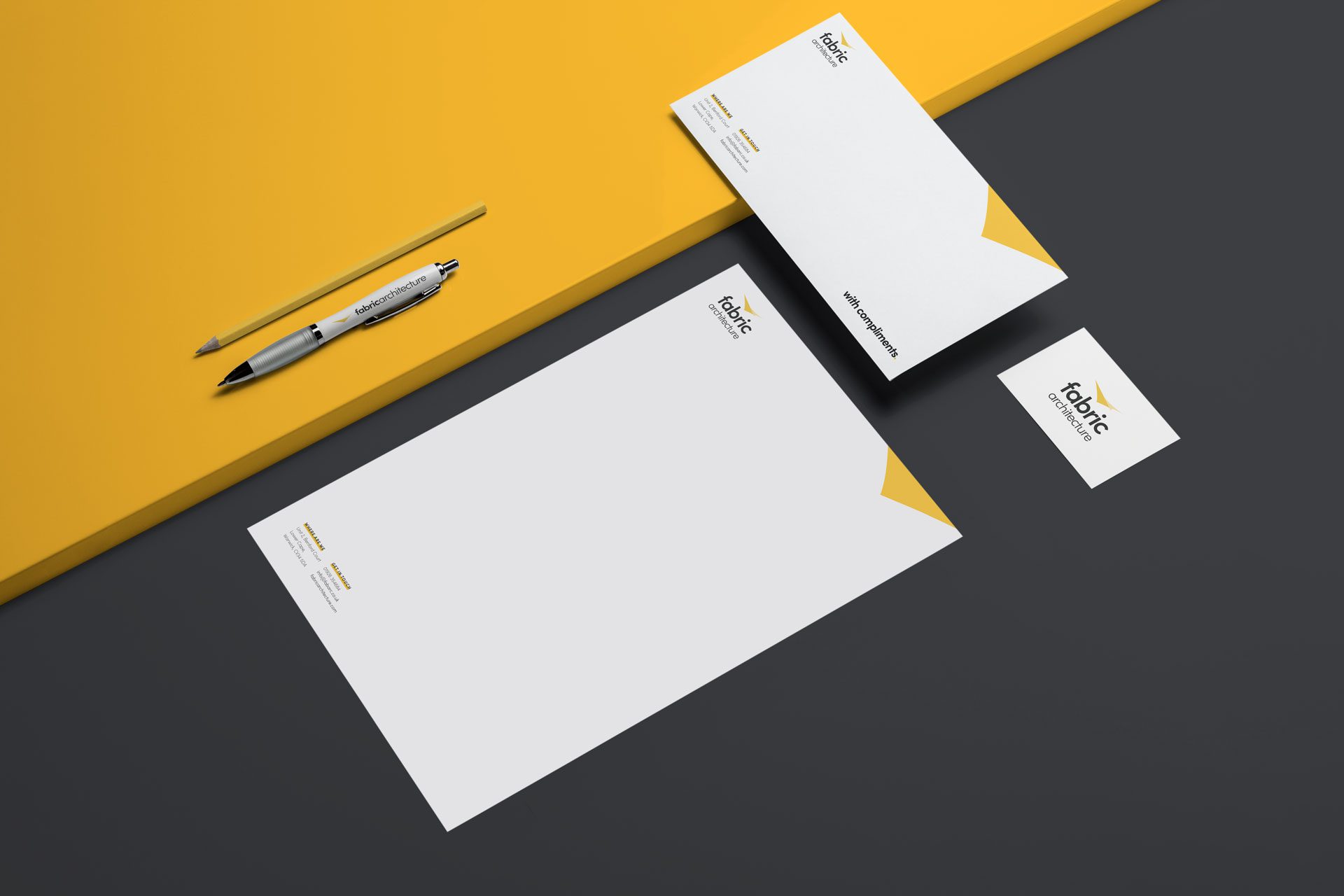
One of the most exciting things we worked on this year was a major new branding project for a Warwick-based architectural firm specialising in tensile fabric structures.
As well as designing a visual identity, we developed a complete brand strategy piece that incorporated messaging and brand proposition statements. This useful tool will help the client to ensure consistency across all touchpoints while focusing on the unique proposition of the brand and how it benefits their customers.
The brand rollout allowed us to show the depths of our small yet mighty creative agency, gathering together specialists from the DWH team to deliver amazing results that not only met but exceeded the client’s expectations.
Another exciting branding project was creating an exciting new identity for DWH, designed to better align with the DWH of 2021 and beyond. No matter how much you love your branding, there comes a time when it needs a spit and polish to make sure it represents who you are today. What better way to demonstrate the benefits to our clients than by doing it ourselves?
Winning a few more awards
We were also excited to add a few more awards to our growing collection:
- Agency of the Year
- Best Digital Brand Development Agency – Midlands
- Most Client-Focused Creative Design Agency – Midlands
- Customer Service Excellence Award 2022
It’s always amazing to be considered for an award – and even better to win them! Receiving industry accolades is a great reminder that the hard work we do at DWH pays off, and it helps to keep us motivated to do our very best for our clients.


The soppy bit
On behalf of Dave and the entire DWH team, I’d like to say thank you to everyone who has supported us over the last 6 years. After all, it’s the people around us who help us to grow and deliver new and exciting things year after year.
Whether we pitched to you and weren’t successful, helped you to launch an exciting new brand, or relied on you to support the daily operations of Casa DWH, you’ve helped us to learn, to grow, and to become better at what we do. Here’s to many more exciting things in the future!
And if you’d like your next project to be part of DWH’s ongoing history, we’d love to hear from you. If you’re quick, maybe you can snag some birthday cake!


SEO vs PPC: Should you choose a paid or organic search campaign?
As the complexities of the online marketplace continue to evolve, it’s crucial to choose the right digital marketing approach for your business. Search engines are a major driver of internet traffic, so it’s important to take a look at SEO and PPC, and how you can use them to build your business. In this article, we’ll explore both paid and organic search, giving you all the information you need to understand the differences between search engine optimisation (SEO) and pay per click (PPC), and which offers the most relevant benefits to your business.
As the complexities of the online marketplace continue to evolve, it’s crucial to choose the right digital marketing approach for your business. Search engines are a major driver of internet traffic, so it’s important to take a look at SEO and PPC, and how you can use them to build your business. In this article, we’ll explore both paid and organic search, giving you all the information you need to understand the differences between search engine optimisation (SEO) and pay per click (PPC), and which offers the most relevant benefits to your business.
What is SEO?
Search engine optimisation, or SEO, is an effective way to increase your organic website traffic that doesn’t involve paying for adverts. The idea is to enhance the visibility of your website to search engines, so it will appear closer to the top of the search rankings for relevant search terms. As a result, you should get more clicks and (hopefully) more sales.
If you’re pretty new to SEO, it’s a good idea to get a basic understanding of how the rankings work. Search engines use bits of tech known as crawlers, which view, record and index page after page after page on the web. The data they gather is then fed into complex algorithms created by highly paid boffins, and it’s these algorithms that decide the rankings.
An SEO-friendly website therefore needs to be created in a way that not only appeases search engines and their creepy crawlies, but also appeals to your human audience. Unfortunately, there’s no one-size-fits-all solution to this, and while those in the know have a solid understanding of the ranking factors used by Google and co, the exact algorithms are not only a well-kept secret, but are also constantly changing.
Here are just some of the ranking factors that search engines consider when serving results to users:
- Relevant content
- Website structure
- Links to and from your website
- Page load speed
- User engagement
- Bounce rate
- Frequency of updates
This is far from an exhaustive list, but it should give you an idea of what a successful SEO campaign entails. It’s worth bearing in mind that SEO doesn’t happen overnight, and you’ll need to be continually chipping away at it to keep up with those pesky algorithm changes.
What is PPC?
Pay per click advertising, or PPC, involves spending money to get users onto your website. Like SEO, PPC uses targeted search terms to get your website in front of more people. However, the key difference between the two is that PPC is a campaign of paid adverts, guaranteeing that your website will be served should certain criteria be met.
As the name suggests, you only pay for that advert if someone clicks on it. By bidding on certain keywords, optimising your budget spend and continually tweaking your ads, you can reduce the cost per click (CPC) of each campaign, resulting in a more efficient campaign that gets results.
We’ve all seen PPC advertising in action. When you search for something using Google, you’ll likely see a few results at the top and bottom of the page labelled “Ad”. That’s what you’re paying for in your PPC campaign. It’s easy to see how these would be effective, offering a convenient click and enticing blurb that promises to answer your query.
Other than the difference of paid versus organic marketing, PPC differs from SEO in one major way, and that’s that you can turn your paid campaigns on and off at will, giving near-instant results.
SEO vs PPC: How they stack up
Search engine optimisation and pay per click may feel like polar opposites, but they’re really two sides of the same coin, each with their own strengths and weaknesses.
Let’s take a look at some of the major points and see how they measure up.
Time
PPC will give you results in a very short time. Your site will instantly appear at the top of relevant searches, which should bring in more traffic. This is great if time isn’t on your side and you need to hit a sales target or advertise a limited offer.
You’ll be waiting much longer to see visible results from your SEO efforts. Developing optimised content takes time, with no ultimate guarantee that the changes you make will drastically impact your search rankings. SEO is an ongoing process that requires patience but yields long-lasting results that are worth the wait.
Ongoing cost
PPC is by its nature pay to play. Although you’ll experience an instant traffic increase once you activate your campaign, you need to be constantly pumping in budget to maintain this; stop paying and the clicks stop too. However, the fast nature of PPC means that you get feedback almost instantly, so you can test and tweak your campaigns quickly without throwing away too much money.
SEO costs a lot to set up but can be much cheaper to maintain. Once you achieve a good ranking, the traffic should continue to flow your way without too much input from your bank account. Unlike PPC, it can be a long time before you see the results of your efforts, which may mean wasting money on a low-performing piece of content with no way to recoup that loss after you find out it’s a flop.

Knowledge
SEO is somewhat of a dark art that calls for technical website tweaks, analysis of constantly shifting algorithms, and a whole load of research. Without the right knowledge and skill, you can easily do more harm than good, so it’s worth investing in the resources of an experienced SEO digital marketer.
In contrast, you can see great results from PPC with little more effort than the initial search for the most relevant search terms. Once you’ve added them to your campaign, you’re essentially just paying for the privilege of internet traffic. Of course, the best results come from careful optimisation of your budget spend, so an expert eye will help you get more bang for your buck.
Conversions
The average conversion rate of SEO across all sectors is 2.4%, while this is just 1.3% for PPC. Even when broken down by sector, SEO wins out every time. This is in part because users are more trusting of search engine results than they are of paid adverts. While anyone can throw together a PPC campaign for pretty much whatever they feel like, only hard work and a great reputation can help your website climb to the top of Google.
However, that isn’t to say that PPC isn’t worthwhile. There are many cases where this type of marketing is highly effective, particularly if you’re looking to target your audience at a certain stage of the sales funnel. You can also ensure exactly which page visitors will land on when they click your link, which should yield greater relevancy and more conversions.
SEO & PPC: Stronger together
SEO and PPC are two different approaches that each have their place in digital marketing. Although using one on its own can be effective, it’s a bit like going into a fight with one arm tied behind your back.
The very best digital marketers know how to effectively combine the two approaches, reaping the rewards of both and minimising those pesky downsides. Instead of choosing between the two, it’s better to look at it as a balancing act.
Here are just a few of the considerations that may help you to find the right focus for your SEO and PPC campaigns:
- What industry are you in?
- What is your budget?
- Do you require sales leads right now?
- Who is your target audience?
- How much authority does your brand already command?
- Where do your competitors rank?
- Do your competitors use PPC?
Ultimately, SEO and PPC work best together, creating a holistic approach to your digital marketing that should provide great results both in the short and long term.
Your SEO & PPC experts
If you’d like more advice on SEO and PPC, or you’d like to put your campaigns in the hands of dedicated experts, contact DWH today. Whether you’re a digital marketing expert or a complete novice, the team is on hand to support you as much or as little as you need.
Why animation is essential to modern brands
There are many elements that make up a successful brand. Whether developing a clearly defined mission statement or an exceptional logo, digital marketers need to be acutely aware of modern trends, technologies, and what will appeal to our target audiences.
There are many elements that make up a successful brand. Whether developing a clearly defined mission statement or an exceptional logo, digital marketers need to be acutely aware of modern trends, technologies, and what will appeal to our target audiences.
Digital media is rapidly moving in the direction of video and animation, and away from more traditional resources such as text and static imagery. With their abundance of advantages, it isn’t hard to see why. A simplified exchange of information, enhanced storytelling and increased engagement are powerful incentives for brands to move towards this increasingly popular medium.
Using animation to tell your brand story
Storytelling is arguably the most powerful weapon in your branding arsenal. It enables you to build a rapport, and gets people invested in products and ideals. Giving your brand a relatable story can build trust with your audience, helping them to form an emotional connection that develops into brand loyalty.
But storytelling in branding is nothing new, so where does animation come in? The ability to show movement, multiple images and even complete scenes makes it easier to show your brand story in an instantaneous way that text and static images simply can’t convey.
Let’s look at this in more detail.
Animation vs text and static images
Stories are easier to tell through video media than through other methods. A short, animated video can stir powerful emotions and convey complex messages that transcend language barriers.
Copywriting, while a powerfully creative medium in its own right (Of course I would say that), can struggle to grab the attention of the casual scroller. In contrast, static imagery might draw focus but struggle to convey a complex message.
Animation vs live-action video
Of course, these arguments also open the door to live-action media. Although capable of being a strong format for a digital marketer, animation offers limitless possibilities that aren’t bound by the physical capabilities of videographers and human actors. Your stories can live in an infinite dimension limited only by your own imagination.
In addition, live-action video is only applicable in certain scenarios, and can be extremely costly. Animation can be used to create dynamic logos and interesting, concise visuals, with an affordability that lends itself to more casual use.
See the masters of storytelling through animation
Done effectively, storytelling through animation can be used effectively over a range of mediums.
Charity Water Aid recently launched a TV ad campaign that showcases the power of animation. Moving away from the powerful but potentially oversaturated imagery of water-stricken communities that define the brand, the ad tells the story of a small girl who wishes to provide her community with water and goes to great, otherworldly lengths to achieve her goals.
This ad is eye-catching, empowering and emotional, superbly demonstrating the plight of these unfortunate communities in a completely new and unique way.

How animation solves the attention-span problem
In an age where audiences are bombarded with ads and attention is an increasingly precious commodity, a rapid but effective exchange of information is essential. We have mere seconds – or even milliseconds – to make that initial connection. Our offering must be bold to capture that attention, and it must quickly prove its value to retain it.
Conveying information through text or static imagery is likely to be far more mentally taxing for the viewer than video or animation. Naturally, this means that these formats will struggle to retain their focus.
Let’s take the example of an animated logo. Having a static logo can undoubtedly be effective if done well, but adding animation opens so many other doors that were previously inaccessible.
For example, this piece from Google succeeds in rolling a selection of their iconic, erm, icons, into one neat package. This ensures maximum brand impact, as these separate elements become instantly connected, forming strong associations between the brand’s various offerings.
Alternatively, this piece from WWF brings their famous panda logo to life. This instantly makes the image more powerful, showing movement and vitality that emphasises the living animals at the heart of the cause. The panda isn’t just a symbol of their work, it is their work.
Incorporate animation into your branding today
With video and animation gaining increasing momentum as a format of choice over a wide variety of mediums, there’s no better time to start integrating it into your branding toolkit.
DWH can help you begin to expand your branding library, helping you to harness this valuable digital marketing resource.
Contact us today and we’ll be happy to talk to you about any of your branding needs.

How do I make my website more sustainable?
If you’re concerned about the environment and living as sustainably as possible, you’re likely considering transportation, manufacturing and agriculture as some of the main culprits for CO2 emissions. However, you might not realise that the unassuming internet is also a substantial producer of carbon emissions.
If you’re concerned about the environment and living as sustainably as possible, you’re likely considering transportation, manufacturing and agriculture as some of the main culprits for CO2 emissions. However, you might not realise that the unassuming internet is also a substantial producer of carbon emissions.
The internet currently produces 3.8% of all global carbon emissions. While that might not sound like a lot, if the internet were a country, it would be the sixth largest global polluter. Frankly, that’s huge.
With 1.17 billion websites in the world, there’s little chance of a simple fix, and no fundamental change that will solve all our problems. Instead, it’s down to each of us to ensure that our own web development is sustainable and planet friendly. Much like the climate problem at large, we all have to pitch in to make these changes work.
How can a website be unsustainable?
It’s hard for the average person to perceive why this is a problem. For years, the world has been pushing the narrative of “going paperless” to save the planet. Physical paper and other such tangible products are clearly a use of physical resources. Using less paper means fewer trees are cut down. Simple.
But what about the internet? It’s just data. Intangible tech wizardry that we can’t see, smell or touch. The answer is energy, and lots of it.
Let’s get straight to the point. Websites are not standalone digital bubbles where the polluting state of the real world doesn’t apply. Each website has a carbon footprint, driven by the resources needed to keep those bits of data active and accessible to the world.

Putting a website’s carbon footprint into perspective
Let’s take a look at some carbon emission statistics.
A simple, no-frills web page will emit around 20 milligrams of carbon dioxide per second when viewed on a desktop computer. For a page filled with detailed images, eye-catching animations and informative marketing videos (as many are with the current trends in digital marketing), this figure can easily rise to 0.3 grams per second.
For comparison, a small petrol car produces around 1.34 grams of CO2 per second. This means that the petrol-guzzling car you feel guilty driving around is only around 4.5 times more polluting than the webpage you’re reading this on. When it’s put into perspective like that, it’s crazy that we’re not freaking out about the environmental impact of the internet more.

How can we make our websites more sustainable?
Hosting companies need to do their part, of course. Huge data servers don’t come cheap, and they eat up enormous amounts of energy. Fortunately, our increasingly eco-conscious world has encouraged these businesses to adopt greener practices.
This might include switching to renewable energy sources or utilising a content delivery network (CDN) to load a website based on a user’s geographical location. Web designers can do their part here by always choosing a website host that adopts these more ethical practices. However, as we’ve seen, the actual designs of our websites also have a big impact.
With this in mind, let’s look at some ways of making your website more sustainable, helping to save the planet one mouse-click at a time.
Have sustainability ingrained in your business
Building sustainable practices into the very core of your business is a fantastic start, and helps to ensure that you don’t stray too far in the other direction when new, exciting projects and opportunities arise.
Not only does this direct the development of your business, it will also help you to appeal to customers based on their like-minded ethics.
Optimise images and videos
Our websites still need to pack that digital marketing punch to attract and retain an audience. This is, of course, non-negotiable, but how this punch is achieved is very much up for discussion. The big-hitters in this arena are visual media such as images and videos.
The simple act of removing auto-play video functionality could have a sizable impact on your website’s carbon footprint, along with applying more careful consideration to image selection. Large, detailed images take a lot more resources to view. Wherever possible, try replacing them with smaller image files or vector graphics.
Carefully consider your font selection
Perhaps surprisingly, custom fonts can impact your website’s carbon footprint in a big way. Selecting a non-standard font means adding them to a viewer’s device before your carefully crafted web experience can take full effect. This additional data transfer inevitably means a bigger environmental impact.
Are you able to maintain your website’s branding and style using the standard range of font selections? If so, you’re well on the way to making a more sustainable website.
Create green templates for future projects
Saving you time and money as well as giving you that warm, fuzzy feeling when doing your bit for the planet, creating ‘boilerplate’ green webpage templates is a great way to ensure your site’s continued sustainability.
Rather than reinventing the wheel when a new project or opportunity comes into view, you can start from pre-optimised page designs. This means less energy and resources spent creating pages from scratch, and an assurance that the final design is in line with eco-friendly best practices.
Sustainability at DWH
At DWH, we’ve made it part of our mission to be at the forefront of developing more sustainable web experiences for our clients. As such, our servers are compliant with ISO 14001:2015 and ISO 50001:2011 certification, and we’re in the process of moving existing websites over to greener data centres.
We’re also working with our development partners to deliver a greener, more sustainable internet experience to minimise the amount of carbon emissions generated by the websites we build. We aim to offset these emissions through our partnership with Ecologi.
If you’re concerned about the environmental impact of your business, contact DWH today and we’ll start you on the path to sustainable website practices.
DWH named Best Digital Brand Development Agency - Midlands
DWH is proud to have been named Best Digital Brand Development Agency - Midlands in Corporate Vision’s MarTech Awards 2022.
DWH is proud to have been named Best Digital Brand Development Agency - Midlands in Corporate Vision’s MarTech Awards 2022.
The MarTech Awards
In recent years, particularly since the pandemic shifted remote working to the forefront of most industries, technology has become an increasingly important part of digital marketing. A need has therefore arisen to help brands in their search for reliable, innovative marketers to support their business growth efforts.
As part of their mission to support and guide better business practices, Corporate Vision created the MarTech Awards in 2020 as a way to recognise and reward the world’s most committed and cutting-edge marketers. These global awards cover a broad range of specialisms, from advertising tech and SEO to emerging sectors like influencer marketing, assessing and acknowledging leaders in this continually evolving sector.
Why DWH?
Corporate Vision chose DWH as the Best Digital Brand Development Agency for the Midlands region in part because of our agile nature and keen adaptability.
The shift to online communications since the pandemic has also meant adapting how we support our clients. What makes us stand out is our adaptability and resilience. While our passion and creativity are what attracts customers to us, our attention to detail, knowledge, and amazing team is what keeps them coming back.
Over recent years, we’ve seen a shift towards video, motion graphics and animation, and chose to expand our service offering in this area to better cater to our clients’ needs. With a small yet highly skilled team, we’re able to take on a variety of challenges while ensuring that clients know exactly who is working on their branding and marketing project.
We’re always on the lookout for opportunities to expand and upskill the DWH team to meet our clients’ needs, and look forward to seeing what exciting challenges await us in the future.
Work with an award-winning brand development agency
If you’d like to benefit from our expertise in innovative brand development and digital marketing, we’d love to hear from you! Get in touch today and let’s discuss how we can support your brand.
The impact of data privacy on digital marketing in the post-pandemic world
The increased digitisation of almost every element of our lives is a legacy of the COVID pandemic, and with that comes a huge increase in shared personal data.
Whether you’re verging on computer illiteracy or at the cutting edge of digital tech, your personal data will be out there somewhere. Analysing and selling this data is profitable, and, as we’ve increasingly seen over the last few years, data hacks and breaches are a worryingly common event.
However, as consumers begin to better understand exactly how much of their data is out there, and why this might not be ideal, data protection has fast become a priority in the digital world. Let’s take a look at some of the emerging battlefields when it comes to protecting personal data and how digital marketing needs to adapt to support them.

Issue: Users don’t want to be tracked by search engines
Those concerned about exactly how much of their data Google is tracking (spoiler alert: it’s loads) might look to alternative search engines that take a more ethical approach. The stand-out champion of ethical data handling, and a model for businesses everywhere, is DuckDuckGo.
They make a simple and elegant promise. Your personal data will never be stored, and you will never, ever be tracked around the internet.
Like all search engines, they make their money from paid ads, but DuckDuckGo pride themselves on only showing ads that are relevant to a user’s current search. No previous history, and no creepy ads giving unwelcome chase. It’s little wonder users are flocking (sorry, couldn’t help myself) to them.
Herein lies a problem for digital marketers. With little underlying data to work on it can be very difficult to ensure that our target audience sees our content or ads.
Solution: Focus on quality content
By not being able to target content or ads to a certain demographic, untracked search engines like DuckDuckGo present the challenge of creating high-quality content with top-tier SEO. For adverts, marketers need to craft copy with broader appeal to capture the attention of more than a very narrow demographic.
While this might be a struggle, it gives marketers the chance to stretch their creative muscles and try something new, instead of just cheekily bidding on competitors’ branded keywords.
Issue: Users are distrusting of targeted ads
A large part of the monetisation of personal data comes in the form of personalised ads. We’ve all had that jarring experience of searching for a product and then seeing ads for it for the next six months.
To restrict the reach of targeted marketing and any associated nefarious schemes, users are choosing to use ad blockers, make stricter choices when accepting cookies, and even using a VPN to mask their location. However, this data is essential for marketers, who need to come up with new ways to encourage users to hand over this important information.
Solution: Encourage users to share their data
Gener8 Ads is a British start-up that has taken this idea and run with it, giving users full control over their (anonymised) data while also offering an incentive that doesn’t alienate marketers. By simply installing a free browser, Gener8 users have the option to enter ‘privacy mode’, which stops companies from tracking them at all, or ‘rewards mode’, which allows them to earn points from any ad they see and redeem them for products, vouchers or charity donations. It’s a stroke of genius, and they’ve already got dragons on board.
This is a great example of how we can support users’ desire to better control their online privacy, while also making the lives of digital marketers easier. By weighing up the perceived value of their data versus the reward gained by sharing it, marketers can leverage downloadable guides, rewards programmes, discount codes and more to obtain useful data while giving users something beneficial in exchange. Win win.

Issue: Users are suspicious of unsolicited emails
Email use is practically universal for those of us with any online presence. We rely on it for a huge percentage of our general correspondence, especially with the prevalence of online shopping. Email is the go-to medium for the world at large to contact us, meaning inboxes full of spam are commonplace.
Unfortunately, the ease with which emails can be sent to vast numbers of people makes it an extremely useful tool for those with nefarious intentions, and messages containing phishing scams and viruses have become an almost unavoidable experience for email users.
Over the years, email accounts also gather an extraordinary amount of data. If that account were to get into the wrong hands, no end of problems could ensue. All of this is starting to make consumers a little distrusting of anything that drops in their inbox.
Yet again, innovative businesses are beginning to fight back and return data control to the user. Email providers now tend to offer a vast array of helpful measures, including ad-blocking, spam filters, tracker blocking, encryption, multi-layered login and loads more tools to help keep confidential correspondence confidential.
Solution: Step back, and look at the bigger picture
As marketers, we must be respectful of our audience’s choices in data sharing. While we may receive less hard data on the success of our email campaigns, it doesn’t mean we should simply give up and stop sending them.
Consider switching to integrated brand metrics, focusing less on the minute detail of campaign performance, and more on the larger pictures such as ROI and overall ad spend. By creating more targeted email campaigns, such as for a specific product or service, your website analytics, sales and enquiries should give you at least some insight into the performance of your email marketing efforts.
Digital marketing & data privacy
The future holds massive changes for the landscape of digital marketing, and they’re already well underway. The pandemic taught us to adapt our business strategies to survive, and we must continue to do so as the COVID legacy persists.
If you’re struggling to keep pace with the changes to digital marketing then DWH can help. Contact us today to discuss all of your branding and marketing needs.
What on earth is the Metaverse?
Psst… Come closer… Have you heard about the Metaverse? No? Well, you’re about to.In this article, we’re going to take a look at what exactly the Metaverse is and why you should care about it.
Psst… Come closer… Have you heard about the Metaverse? No? Well, you’re about to.In this article, we’re going to take a look at what exactly the Metaverse is and why you should care about it.
What is the Metaverse?
Sounding like something straight out of a Marvel flick, or the latest offering from Facebook’s new brand identity, the Metaverse is actually a decades-old concept that has started to gain some mainstream traction now that the question of “what comes after the internet?” has been uttered.
Put simply, the Metaverse is the next iteration of the internet, and is generally envisioned as a completely immersive internet experience where everything is connected in a virtual world. This could consist of virtual reality (VR), augmented reality (AR), machine learning, various forms of artificial intelligence and much more. You can think of it as Internet 2.0.
Virtual worlds and a seamless integration of human minds with technology are not new concepts. From cyberpunk classic Neuromancer to the cinematic masterpiece of The Matrix, science fiction writers have been drooling over the idea since the birth of the genre. Now we (sort of) have the tech to make it happen.

What will the Metaverse look like?
Figuring out exactly what the Metaverse will look like represents a surprisingly challenging task, especially if you try to rationalise it against the standard experiences we have with the real world.
For one vision of the Metaverse, let’s take the cultural shake-up that COVID has given us. For many, home working has meant almost no human interaction, but an awful lot of virtual meetings on platforms such as Zoom. One corner of the Metaverse could well see the transformation of these virtual meetings into something far more literal.
Imagine attendees donning headsets and being placed in a virtual world where everyone is represented by an avatar. You can discuss sales figures around a virtual representation of the classic office environment, or perhaps you could mix it up. Discuss the latest project while on top of Everest, or interview a candidate in a space station orbiting Jupiter. The possibilities are endless, and possibly a little ludicrous.
The Metaverse could also revolutionise how tradespeople do their jobs. Through augmented reality, a virtual heads-up display could be overlaid on top of the real world, providing vital data to complete the job at hand. A faulty component could be highlighted before a mechanic’s eyes, or an electrician could assess a building’s wiring just by looking at it the walls.
Once we’ve cracked the tech, the possibilities are virtually endless.

Is the Metaverse a good thing?
In an age where our personal data is up for grabs and we all walk around with a load of high-tech sensors in our pockets, moving from simply viewing the internet to directly participating in it is an exciting natural progression.
But before we get too excited, let’s stop and take a look at some of the implications of diving head-first into the Metaverse.
Our personal data in the Metaverse
Although the general public is becoming savvier, many people still seriously underestimate just how much information they’re giving away on a daily basis about almost every part of their lives.
Let’s consider a generic millennial. They’re tech savvy, probably have a smartphone, a laptop and perhaps a smart watch. Linked to those devices are search engine accounts, email accounts, music and entertainment subscriptions, various shopping apps, grocery lists, bank accounts, medical information and the treasure trove of past embarrassment that is social media.
All of these accounts and apps are collecting data. The products you click on, the medical symptoms you searched for, what you ‘liked’, how many steps you took, your route to work, and so on. All of this data is valuable. It can be bought, it can be sold, and it can be used, and with data breaches becoming worryingly commonplace, information security is far from guaranteed.
As a friend of mine high up in a technology company once put it, “data is now the most valuable resource on the planet.” Scary when you really start to think about it, right?
Our lives are full of data sharing, surveillance and an utter reliance on technology created and run by companies more powerful than elected governments. So should we really be moving along a path that hands them more data and even more power?
“No” is probably the answer, but for better or worse, that’s exactly what the Metaverse is set to do.

What happens to the real world?
Yet another favourite of the science fiction genre is the post-apocalyptic wasteland, with streets of dust, crumbling cities and only a few feral dogs roaming around.
Now, I’m not suggesting the Metaverse is going to be the end of civilised existence. Well, probably not. However, there is a very real possibility of our inner cities and major population centres becoming an outdated relic. From the 2008 recession to 2020’s COVID pandemic, the high street has been on the decline for a hot minute, and the exciting possibilities of the Metaverse could very well deliver the final blow.
Our urban lifestyles are born out of necessity and convenience. We live, we shop, we socialise and we work all within this confined bubble of life that contains everything we need to be happy and healthy. But this is already far from the only way to achieve these things, and the Metaverse is set to take hold of more and more of our necessary human experiences.
Online shopping means we no longer need rows of shops. Remote working means we don’t need all those office blocks, or the cafés, bars and pubs that thrive on the captive audience of inner-city employees. Cities are noisy, expensive and polluted. If the Metaverse provides us with alternatives to all of the positives or urban living, then what need have we to stay there?

Does the Metaverse hold the answers?
When it comes down to it, the form the Metaverse will take is still unknown. There are signs that it could be a phenomenal advancement in human society, giving us lightning-fast global connectivity in a virtual world that is just as good as, or even better than, the real one.
On the flip side, it could throw us even further into an Orwellian dystopia, with the big players in business knowing absolutely everything about us due to our constant virtual presence, and using this information however they see fit.
Whichever way it goes, the Metaverse is going to shake up the human condition like nothing has since the internet stepped out of the primordial ooze.
I, for one, am terrified.
The importance of colour in branding
Colour in branding isn’t just about jumping on the latest trends and making a bold statement. The shades you use to identify yourself are just as important as the big hitters like brand name, logo, tone of voice, company values and even sound in branding. A carefully chosen colour palette has the power to make your brand instantly recognisable, and the most successful brands are distinctive without even a hint of a logo. Let’s take a closer look at the importance of colour in your brand strategy.
Colour in branding isn’t just about jumping on the latest trends and making a bold statement. The shades you use to identify yourself are just as important as the big hitters like brand name, logo, tone of voice, company values and even sound in branding. A carefully chosen colour palette has the power to make your brand instantly recognisable, and the most successful brands are distinctive without even a hint of a logo. Let’s take a closer look at the importance of colour in your brand strategy.
The psychology of colours
When it comes to branding, your selection of colour will be largely based on the image you want to portray to your target audience.
We’re all familiar with some basic elements of colour psychology. From seeing red and feeling blue to being green with envy, colours have distinct associations with our daily lives and emotions. However, it’s important to remember that different cultures perceive colours in different ways.
For instance, in western cultures, red has the power to spark emotions such as excitement, love and anger. This makes it a popular choice for brands promoting thrill-seeking experiences like iFly, or romantic Valentine’s Day. In some eastern cultures, however, red has connotations of luck and happiness, subtly changing the image your brand portrays.

White is a little more polarising. For western audiences, purity, simplicity, elegance and coldness might spring to mind. This makes it a popular choice for the minimalists amongst us. However, in China, white can be associated with bad luck or death, similar to the western perception of the colour black.

Learn from the best
Some brands have used colour so effectively that a particular hue, even out of context and with no supporting ‘traditional’ branding, can trigger thoughts and emotions associated with that brand.
Here are a couple of great examples of colour in branding.
Starbucks
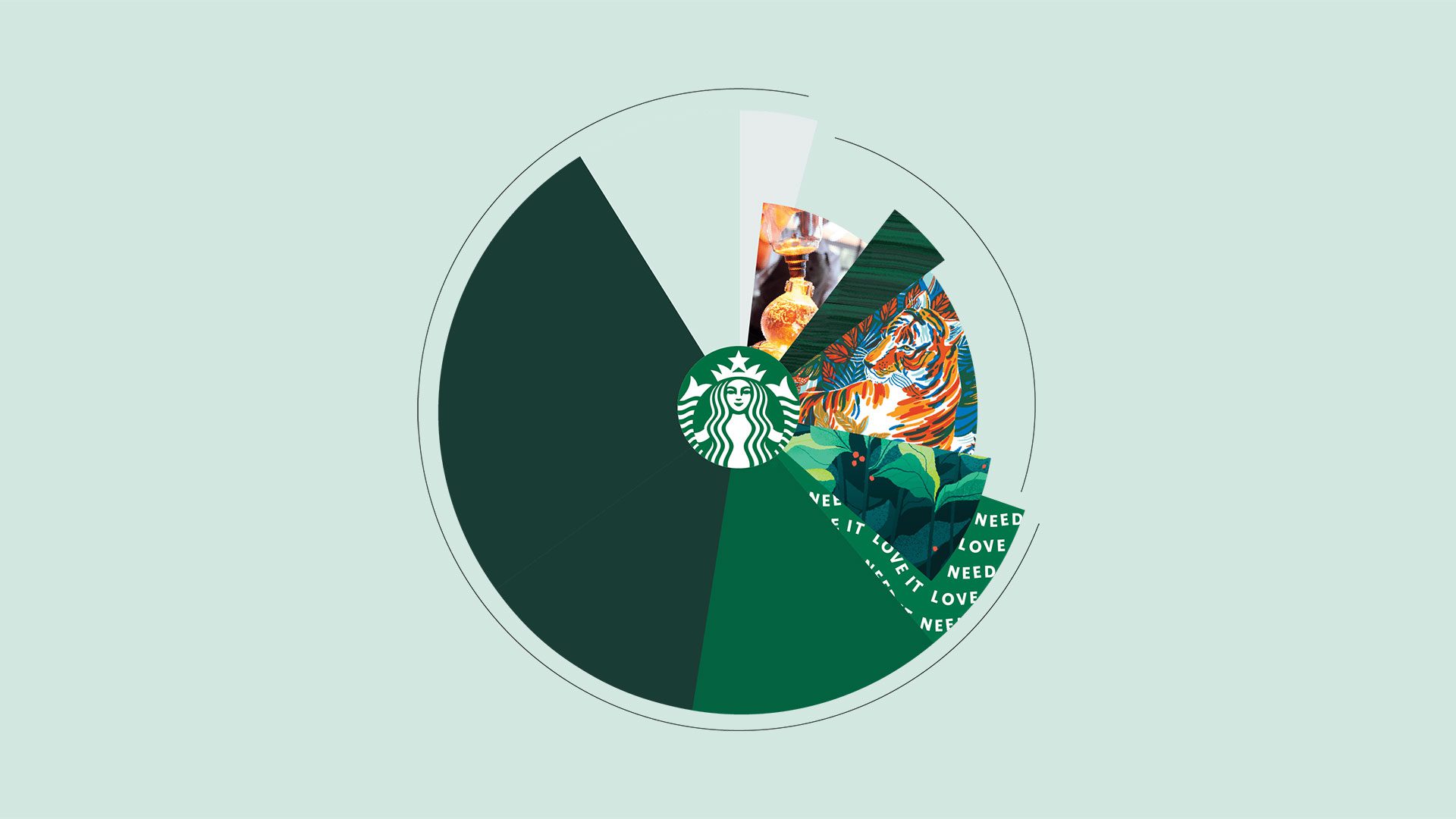
Starbucks Green is perhaps one of the most iconic branding colours today.
Carefully selected to be unique while being synonymous with their desired image of calmness and dependability, this particular shade of green is recognised all over the world.
The branding experts at Starbucks are careful with their overall colour palette, which shows little deviation from subtly different shades of green and coffee-coloured browns. This creates a distinctive look that ties together nicely across their in-store signage and branded product range.

Lindt
Successful brands don’t have to be locked to one colour to be a hit. Luxury chocolatier Lindt is a wonderful example of how different products can be seamlessly blended within the same brand.
While many of their chocolates have a dominant colour to distinguish the flavours, the masters at Lindt always work in their favoured golds, whites and blacks. These colours ooze sophistication, elegance and unparalleled luxury to back up their message of excellence in chocolate. Even their product-based hues offer richness and luxury through careful colour selection and great graphic design.
Tips for using colour in your branding strategy
Here are some important things to consider when deciding on the colours for your brand strategy.
The right colours for your brand
A colour selection that’s relevant to your brand identity is key. Sometimes the most obvious choice is the right one, and subverting expectations can cause confusion.
For example, cruises are dominated by the blues of professionalism, serenity and the soothing ocean, along with the whites of purity and luxury. Equally, the boldness of oranges and purples is unlikely to feature where seriousness is desired.
It’s also worth considering if your selection today has the potential to be the next avocado green bathroom of the future. Careful colour selections with flexibility are one of the keys to a lasting brand. As we’ve previously discussed, it’s important not to overthrow your existing brand in favour of the latest trend.
Consistency is key
Brands need to be recognisable, with colour being an integral part of that recognition.
Your choice of palette needs to be applicable to everything that sits under the umbrella of your brand and should be liberally applied throughout. A brand without any colour consistency, even when considering different products, is going to cause confusion and lessen its overall impact.
What does your audience want?
Whether or not you believe that the customer is always right, you need to at least consider what they actually want.
If your customer is looking for an eco-friendly product, consider muted greens or browns. If they’re seeking professionalism, deep blues and clean whites could be the way to go.
Whatever you choose, your audience must always be at the forefront of your decision-making process. If you don’t cater to their expectations of your brand, you might find a difficult road ahead.
Need help choosing the perfect colours?
With literally millions to choose from, selecting the perfect combination of colours for your brand can be tough.
If you need help, DWH is here for you. Contact us today and we’ll help you to tackle everything from colour selection to defining your entire brand identity.
Ad World Masters’ Agency of the Year 2021
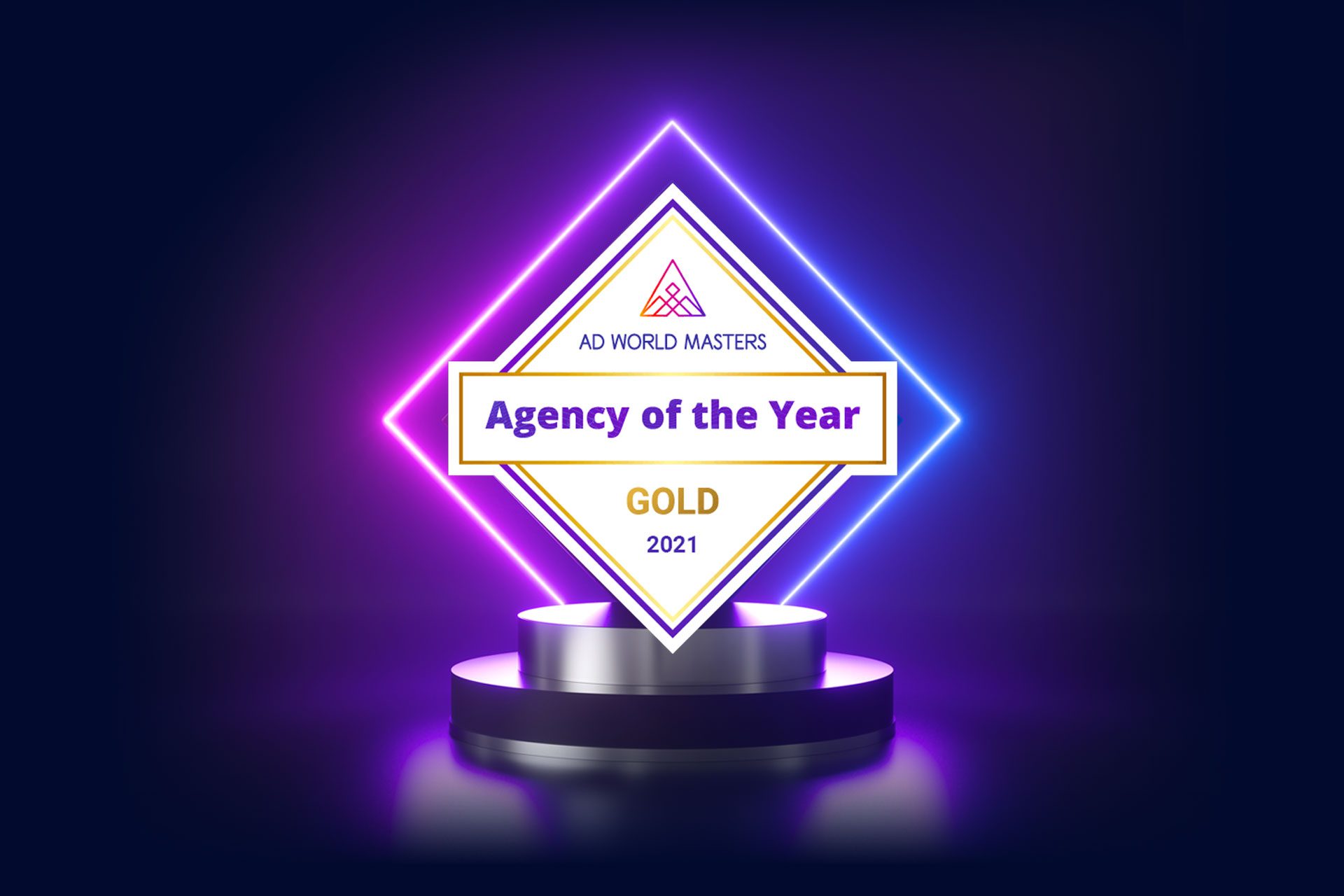
Hey guys! We’ve won another award! We’re delighted to announce that DWH is one of the lucky few to be awarded Agency of the Year 2021 by Ad World Masters.
Hey guys! We’ve won another award! We’re delighted to announce that DWH is one of the lucky few to be awarded Agency of the Year 2021 by Ad World Masters.
Ad World Masters’ Agency of the Year
Over the year, Ad World Masters ranked over 11,900 agencies across 205 countries, highlighting the very best of what the industry has to offer.
A total of over 160 data points per agency are processed by an AI algorithm on an ongoing basis throughout the year. This is then used to calculate an Agency Score, which is used to determine who gets an award. The score is based on a mix of crowdsourced, raw and verified data, with criteria such as Awards, Reviews, SEO, Social, Web and more.
Of course, Ad World Masters are very secretive about exactly what goes into calculating the score to prevent manipulation. Their recommendation on how to increase your Agency Score is simply to “do great work for yourself and your clients.”
One of the unique things about Ad World Masters’ ranking system is that it’s designed to show the potential of an agency when compared to their competition. This means the result isn’t biased by factors such as size, or other criteria that may not directly reflect the output of the team.
The Elite Agencies
The Agency of the Year title is only given to Elite Agencies scoring 8.5 or higher in their rankings.
The award is split into three categories:
- Gold: Agency Scores ≥ 9.2
- Silver: Agency Scores ≥ 8.7
- Bronze: Agency Scores ≥ 8.5
Of the agencies ranked in 2021, less than 10% received a title. A total of 94 Gold, 607 Silver and 463 Bronze titles were awarded.
So… what did we scoop up?
The gold standard for agencies
You’ve guessed it! With a score of 9.2, we were delighted to hear that DWH was one of less than 100 agencies worldwide to be gilded for the second year in a row!
Just 0.79% of the agencies ranked were given Gold, and only 15 agencies in the UK received this level of award, so we’re absolutely thrilled with this result!
With over 160 parameters being scored as often as up to every 12 hours, this award is testament to the consistent hard work the DWH team puts into every project.
Want to work with an award-winning agency?
If your brand needs the touch of an Elite Agency, it’s been proven by complicated AI algorithms that DWH is one of the very best you could choose.
Head to our contact page and let’s discuss your branding project.

The importance of sound in branding
When crafting a brand identity, what do you think of first? Chances are the answer is something along the lines of a logo, a colour palette or a tone of voice. But have you considered the role of sound in your brand? In this article, we’re going to take a look at sonic branding, what it is, and how it can be leveraged to strengthen the overall identity of a brand.
When crafting a brand identity, what do you think of first? Chances are the answer is something along the lines of a logo, a colour palette or a tone of voice. But have you considered the role of sound in your brand? In this article, we’re going to take a look at sonic branding, what it is, and how it can be leveraged to strengthen the overall identity of a brand.
What is sonic branding?
Sonic branding is, unsurprisingly, all about how your brand sounds.
In the increasingly busy and noisy environment of the modern world, brands are putting more effort into ensuring that they catch your attention. Sonic branding helps your business to be heard and not just seen.
You know exactly what the brand is as soon as you hear it. Think the McDonalds whistle, the Netflix ta-dum, the iPhone default ringtone, the XBOX 360 startup sound… All of these are great examples of sonic branding, and specifically what’s known as ‘sonic logos’.
Your logo in sound
Sonic logos are a great way to improve brand recall and develop bonds with loyal customers.
Because of how quickly our brains process sound, the perfect sonic logo can almost enter the mind subconsciously. By associating a certain tone or jingle with your brand, you can create instant recognition with your audience even if they’re not looking at a poster or reading an advertisement.
Sonic branding encompasses not just these audio signatures but a complete soundscape designed to evoke your brand in an instant.
Why is sound so effective?
Sound has an amazing ability to evoke a reaction within our brains – which shouldn’t come as a surprise if a piece of music has ever given you goosebumps, or you’ve felt a gut-wrenching feeling when hearing a baby cry.
Our bodies actually react to sound quicker than any other sense, helping us to sense danger quickly back when Homo sapiens spent more time worrying about predators than brand identity.
We’re hardwired to react to sound, and we learn what certain sounds mean, both in an evolutionary and a social context. Nowadays, sound can be a helpful tool to let us know that it’s safe to cross the road, that our card transaction has been accepted, or that an error on our computer needs attention.
Sound and music are extremely evocative, which is why they can be an extremely powerful tool to create a brand identity with real depth.
The link between music and emotion
As well as sounds, music can play a huge role in creating a sonic identity for your brand.
Our brains create a neurological link between music and experiences, which is why a song can trigger memories of a certain place and time, or even bring up very real emotions. This is powerful stuff, and can be extremely valuable for brands looking to create a human connection.
Whether licensing an existing song or composing a unique soundscape to accentuate your customers’ brand journey, there’s lots of potential for brands to capitalise on our brain’s deep connections with music.
There are likely certain songs that you associate with brands but have no idea what the actual song is, or even that it wasn’t written for the brand. For example, the piece of classical music adopted by Alton Towers, or the calming guitar-based instrumental used in the once-ubiquitous M&S Food ads.
Thanks to the power of the brain’s connections with music, there’s a decent chance that just hearing Fleetwood Mac’s Albatross will get your mouth watering. Assuming you’ve seen the ads, of course. And for completion’s sake, Alton Towers uses In the Hall of the Mountain King by Edvard Grieg. A personal favourite, I might add.
Do you need sonic branding?
As we’ve seen, sonic branding is an extremely valuable tool but it’s more important for some companies than others.
If you create any of the following, you would most likely benefit from creating a strong sonic brand:
- TV and radio adverts
- Podcasts and vlogs
- Audio or video social media content
- Video how-to guides
- Physical electronic devices
Remember that sonic branding works best as a single ingredient in your overall branding recipe. Make sure the sounds you choose complement your name, colour scheme and general ideals to strengthen the bond between your sonic and visual identities.
Sound like music to your ears?
If you’re passionate about branding, talk to the experts at DWH.
While we can’t guarantee that sonic branding will play a huge part in every project, we’d love to help you to create a strong identity that your customers will not only remember but also be passionate about engaging with.
If you need help with your digital marketing strategy in 2022, contact DWH today and we’ll be happy to discuss the right way to move your brand forward.