

How brave copywriting can change the ad industry
Off the back of the new Nike campaign featuring Colin Kaepernick launched to celebrate 30 years of ‘Just do it’, Claire Baldwin investigates how creative copywriting in advertising can both inspire a generation and cause major controversy.
Unless you’ve quite literally been living under a rock, you’ll have heard about Nike’s new campaign. Even if you know nothing more than that some people are burning their trainers, you’ll be aware that this campaign has exploded.
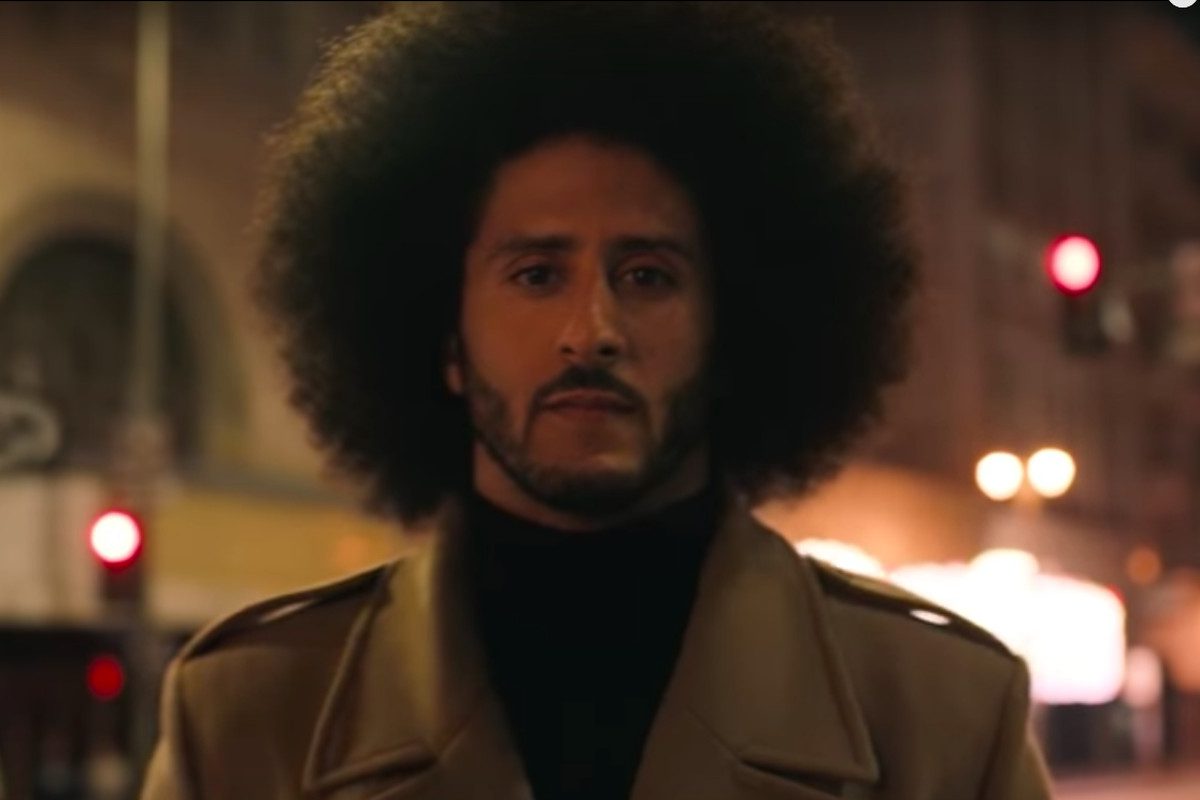
The decision to use former NFL player Colin Kaepernick as the main face of the brand’s Dream Crazy campaign has been criticised by some. Kaepernick garnered attention back in 2016 when he knelt during the national anthem in protest of police brutality. Some thought the act was unpatriotic, and Nike’s involvement with Kaepernick has led them to boycott the brand. People have shown themselves cutting the iconic ‘swoosh’ logo off their socks or even burning Nike trainers to show their disapproval.
Although some disagree with Kaepernick’s actions, many stand by him and are inspired by the ‘take a knee’ protest. While the backlash may make it seem like the campaign was a huge misstep, Nike’s stocks actually hit an all-time high just 10 days after launching the campaign, and their online sales shot up by a huge 31%.
Share a message that you can be proud of
Along with the increase in profits, another big win for Nike from this campaign is the message itself. It focuses on pursuing your dreams even if they seem unattainable, and not letting other people’s expectations hold you back. This theme of bravery and self-belief is something that everyone can be inspired by. It works because it’s a message aimed at real, flawed humans and not at ‘the ideal customer’.
The Dream Crazy film features a host of inspirational figures from pro athletes like LeBron James and Serena Williams to emerging talents like 10-year-old wrestler Isaiah Bird, who was born without legs, and Ironman Charlie Jabaley, who reversed the growth of a lifelong brain tumor through diet and exercise.


The range of campaign posters is full of bold, inspirational copy that sparks passion and a desire to be your best self. While they don’t insinuate that buying Nike products will make you the fastest runner in the world, the campaign shows that you can succeed even if the odds are against you. Nike reminds us that the first step to achieving a goal is to “Just Do It”.
Brave copy can make a campaign
A picture may be worth a thousand words, but just a few words could be worth billions of pounds. Distilling your company’s philosophy into a memorable phrase can create an entire culture around your brand and give customers something bigger to support than just a product. What message do you want your customers to take away from your advert? That your product is good, or that your company is influential?
The words you use can be more powerful than what you’re actually selling. While not all companies have the brand recognition to rely on the message alone, every campaign is a chance for you to shout about yourself and to do something different. You don’t have to be cheeky. You don’t have to please everyone. You don’t have to make a political statement. You just have to say something.
Nike’s latest campaign shows that you can reach huge audiences and create a media buzz with brave adverts that take a stand rather than simply explaining the benefits of a product. It’s likely that many more brands will also follow suit and try to replicate this edgy and inspirational campaign, but it will be interesting to see who succeeds in motivating their audience and who ends up provoking them instead.


Can open-source branding really work?
Two years ago, Mozilla opened up their rebrand in collaboration with Johnson-Banks to the creative community as part of their ‘open not closed’ philosophy. As they do the same for their Firefox rebrand this month, Claire Baldwin investigates if there is a model for companies to start ‘open-sourcing’ their branding projects and if there is any scenario in which this could actually work.
You may know Firefox as an internet browser, but did you know that they are also creating a new range of apps and services to reflect modern internet use? This suite of tools will include everything from simple screenshot functionality and file-sharing solutions to voice search and VR browsing possibilities.
In short, Firefox is going to be offering much more than their flame-tailed fox logo can express, so it’s time for a rebrand that truly represents the full Firefox product range.
Mozilla has opened up its design process, asking the creative community for their opinions on the prototypes for their new brand identity. You might remember that they used a similar Open Design process a couple of years ago when working on their logo rebrand.
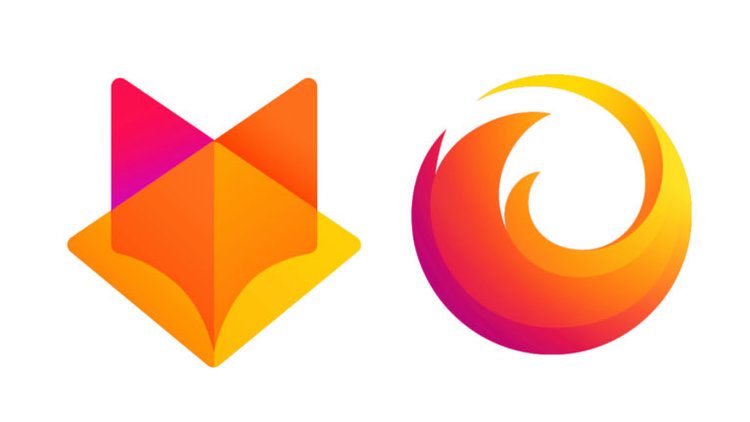
One of the hardest parts of unveiling a new brand or logo is awaiting the barrage of opinions and inevitable backlash from the world. Mozilla aimed to avoid this by being open with its customers, giving them the opportunity to weigh in during the design process and taking these comments on board.
While you’re never going to please everyone, the idea of “crowdsourcing” ideas for your rebrand is an interesting one. But does it actually work?
Let’s take a look at some examples of when companies probably should have asked for a few more opinions before going ahead with a rebrand.
Leeds United

The new design
At the start of the year, Leeds United Football Club unveiled a new crest design to signify a fresh era for the club. It featured clean, modern graphics, replaced the club’s initials with its full name, and depicted the famous “Liverpool salute” that is widely associated with the team.
On the day of its reveal, a fan petition pleading for the logo not to be used gained more than 50,000 signatures by 7pm.
What went wrong?
LUFC had determined that there was significant desire for an updated logo to symbolise a new era for the club, so they were confident that a redesign would be welcomed. Some 10,000 affiliated people were apparently consulted during the six-month design process, but it seems that nobody thought to ask the opinion of the club’s loyal fans.
Clearly the fans had some strong opinions on the update, and the club promised to listen to their views and work with them to create a new brand that they can be proud of.
Tropicana

The new design
Back in 2009, juice brand Tropicana invested $35 million in a modern redesign of their packaging, swapping the classic image of a straw inserted into an orange with a glass of orange juice.
In theory, this better represents the product that customers are actually purchasing, as Tropicana had only previously shown the outside of the fruit and not the flesh or juice.
However, sales dropped 20% following the redesign, resulting in around $30 million of lost revenue. Tropicana reverted to the old packaging in a matter of weeks. Taking into account the the redesign, marketing campaign and lost sales, the whole thing cost them upwards of $50 million.
What went wrong?
A huge part of the issue here is that Tropicana underestimated the emotional bond that its customers had with its original packaging. Too many elements of the packaging were changed at once, making the carton unrecognisable, even to loyal customers.
Many customers also complained that moving away from the image of the orange as a fruit made it feel as though the juice was less natural, despite the carton prominently stating: “100% orange pure & natural”. Images are absorbed much more quickly than text, so it’s important to make sure that they’re telling the same story as the words that they accompany.

So, should companies consult their customers when rebranding?
No matter what you do, you’re going to have critics when you decide to rebrand. If you have the time, resources and budget, you could learn a lot from customer research or focus groups to inform your redesign.
It’s worth bearing in mind, however, that while your customers are the intended target for your rebrand and their opinions are valuable, they are not design experts. You should listen to their opinions and learn what you can, but be wary of ‘creating a camel’ by trying to include everyone’s idea.
Mozilla’s approach to their Open Design process is to welcome comments and criticisms, but not to put the decision to a vote or ask customers to create designs for them. Try to consider your customers as much as possible if you redesign your logo or packaging, but listen to your in-house team or external design agency, too.
Key takeaways

Don’t change too much at once
If customers can’t recognise your new brand, or if they can no longer relate with it, you will lose sales. Even the most loyal customer can be put off if they don’t like your new design or they can’t even locate your product on the shelf.

Don’t change for the sake of change
While many companies strive to achieve a ‘modern’ or ‘updated’ look and feel, it’s important to recognise when a brand has history and heritage, and not to simply throw that away. Make sure that your brand still represents your business or product, but don’t break with tradition just because you feel like it’s time to move on.

Don’t alienate your customers
Learn what your customers like about your brand and what they expect from you. If you’re a corporate finance company, you’re going to surprise people and put them off if you bring out a neon graffiti-style logo. Even if you think a change of tone is beneficial, your customers may not agree.


Why choose DWH for your branding project?
At DWH, we like to take an open approach to branding. We share our ideas with our clients and involve them at every stage of the branding process.
In essence, we make you the central character in the tale of your brand story.
That way, once the project is complete, you have the confidence to take full ownership of the brand. This will enable you to effectively sell your business to your customers and get the best return on investment for your product or service.
It doesn’t stop there. We will give you the tools to make sure you retain brand consistency within your business including a full set of guidelines. We can also support you to effectively market your brand through tools such as social media marketing, website development and content generation.