

The prospects for the graduates of 2020
In case you hadn’t already noticed, 2020 has been a bit of a weird year. In particular, 2020 graduates are facing unprecedented challenges when it comes to entering the workforce now that their studies are complete. Claire Baldwin analyses the impact the pandemic has had on graduates and how we can support them through this uncertain period.
Having personally been thrown straight from university into the 2008 recession, I have a lot of sympathy for this year’s graduates, whose position is far from enviable. If you’re currently staring into the unknown and feeling overwhelmed about what fate might befall you, you might find comfort in the experiences of these creatives who survived the 2008 financial crash.
There are also many new schemes that have been created to support graduates, offering great prospects that will help them to move forward, while traditional methods have been updated to provide the best possible outcome for students in these unusual circumstances.
Birmingham Design BFFs scheme
BFF is a scheme that pairs industry professionals with graduates who would benefit from support and advice during this challenging time.
It’s an amazing opportunity for designers to give back to the creative community, and DWH’s own David Huskison has been paired with BCU student Eleanor Wells. Now in the final year of a Graphic Communication degree, Eleanor aspires to be the next Annie Atkins and start a career designing props for film and television.
For the next 12 months, Dave will be Eleanor’s mentor—and he has lots of useful insights to offer!
Coventry Degree Show 2020
Coventry University’s annual degree show celebrates the work of its graduating students. Due to the current health crisis, it’s unable to go ahead in its usual format and will instead be going virtual.
Student designers, artists, performers, photographers, filmmakers and writers will host a range of events and will share videos of themselves working on their final major projects. This immersive online experience will give lecturers and potential employers more insight than they’ve ever had before into the work that has gone into producing these final pieces.
As well as showcasing student work, the new-style degree show will also feature guest speakers and industry talks. There will even be an Industry Night for potential employers, helping these talented young creatives to take their first steps towards making their mark outside of education.
We could be seeing the beginning of a new era where virtual degree shows become standard practice. With BA students at Liverpool John Moores University hosting their degree show on Mars this year, we reckon it’s the perfect opportunity for students to really showcase their creative potential.
Coventry Artists
We got involved with the Coventry Artists’ final year project with photography student Radvile Malinovskaja, who came into the office and conducted a couple of interviews with us before taking some portrait shots in the office (back when we still had an office!).
We also contributed to this by submitting a self portrait for the final project book. This was supposed to be printed and given out at the degree show but was instead distributed as a PDF, as the show was unable to go ahead due to COVID-19.
Self portrait of our Creative Director as part of the Coventry Artists project

Supporting local creatives
We know how challenging the creative industry can be at the best of times, which is why we love supporting up-and-coming talents in the area. If you are a graduate or are still studying and have any questions about the industry, drop us a line and we’ll be happy to chat.

Life in Lockdown: Isolated but not alone
While we’re all working from home, it’s important to keep in touch with team members and make sure that everyone is safe and well. Let’s check in with DWH’s resident copywriter Claire Baldwin.
Well. The last two months have been … interesting, to say the least. I’m writing this during week 6 of the UK’s lockdown, though our household was already trying to isolate as much as possible for a week or two beforehand.
Things have been kind of tough, but my family and friends are all safe and healthy, and my partner Matt and I are both able to work, so we’re very fortunate. My heart goes out to everyone who’s been affected by this awful situation, and I’m so grateful to those who are putting themselves at risk on a daily basis to keep us all safe and fed.
The effect of lockdown on different industries
As a freelancer, my income is never guaranteed. While I had managed to build up a good amount of regular monthly work, and I was delighted at the end of my second tax year to have made a legitimate salary over the previous 12 months, coronavirus turned all of that on its head.
Almost overnight, I experienced around a 90% drop in my monthly income. I was freaking out. Several of our clients here at DWH are in industries that were massively affected by the lockdown, including the events and wedding industries, and, understandably, they were forced to suspend their marketing budget. One of my personal clients was also unable to work for around a month, having contracted COVID-19. I’m glad to say that he’s now just about fully recovered.
This meant that March 2020 was one of my quietest months since starting freelancing.
However, other industries have become much busier because of the pandemic, and in April I found myself absolutely flooded with work from industries such as professional cleaning and business management software.
In stark contrast to the incredibly gloomy March, April was one of my busiest months since starting freelancing!
Working from home
For me, working from home is my standard operating procedure, so that hasn’t changed things much for me. Matt (who works in engineering design) has been working from home since a week or so before the lockdown, so he’s taken over my office a little!
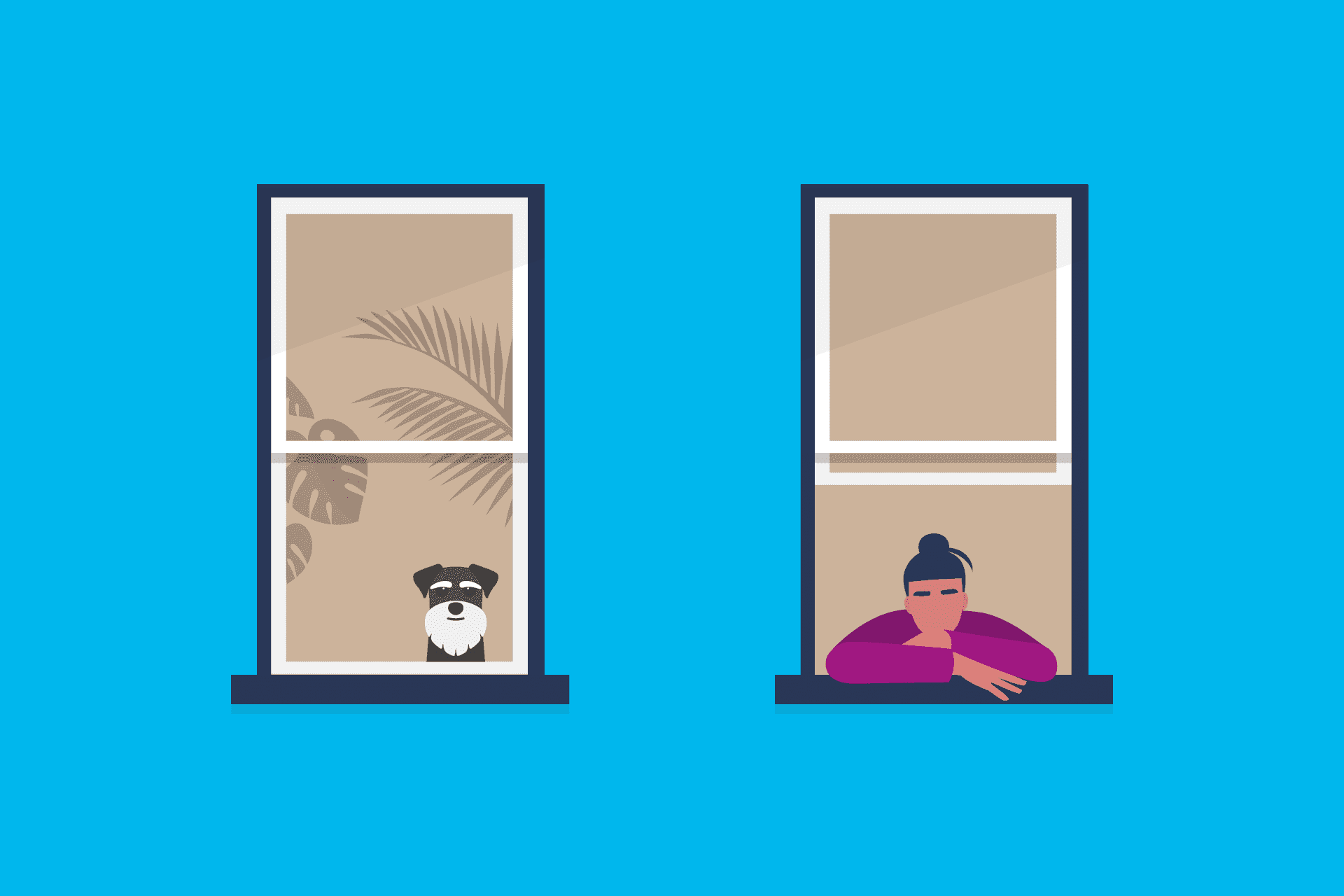
He has frequent virtual meetings and calls, so I have to remember not to scream-sing along to ‘80s music like I do normally. This also means that I sometimes have to take Wim, our one-year-old miniature schnauzer, out of the room when he’s barking or trying to pull the curtains down.
To be fair, Wim has been getting better at letting us get on with work over the last few weeks. He’s quite good at napping for an hour or two, but when he wants attention, you don’t really have a choice! Learning to push through the “I don’t feel like working right now” mood and crack on with work while he’s asleep is an essential skill!
Dog parenting during lockdown
Aside from working, looking after Wim is the other big task in my day. Being able to take him for a walk in the park every morning has definitely helped to keep me going. Not being allowed to go anywhere or do anything can get a little depressing, but we always have to get up in the morning to let him out and to take him for a walk, so he brings us a nice sense of purpose and routine.


Wim is devastated to not be able to go to his favourite pub right now, but he loves the park and being in the garden, so he’s making do. Opinions are somewhat mixed on whether dogs can catch or pass on COVID-19, and not all of the other dog owners are following the same guidelines. Some owners won’t touch other dogs and don’t want theirs to interact with any other people or dogs, whereas others are carrying on as normal, letting their dogs off the lead and stroking all the dogs.
Personally, I’m somewhere in between. I feel bad not letting Wim run off and enjoy himself with his friends, but I’m also wary of the risks. It’s hard to know what to do, and it’s not like I can explain what’s happening to him! I’m definitely more lenient with him than Matt is. He’s a bit of a mummy’s boy.
Skype is the MVP of lockdown
I’ve been video chatting every day for meetings, socialising, exercise, and catching up with family. Skype, Zoom, WhatsApp video, Discord, Google Hangouts, FaceTime … I’ve been using everything. Video calls make me feel like I’ve actually got company, and they have definitely helped to keep me sane.
In many ways, I’ve been spending more time with people during lockdown than before! I’ve also been keeping in regular contact with a few people that I hadn’t been speaking to much of late, and it’s been lovely.


My current schedule goes something like this: On Mondays, I play games with my brother on Steam, usually Ticket to Ride or Don’t Starve Together. On Tuesdays and Thursdays, I drink wine with my friend Isabelle and watch shows on Netflix. Wednesdays more freeform, like the time I had a Hangouts chat with my friend Ella and we chatted while drawing our pets, which was a lovely evening. Friday is another Netflix day, this time with my friend Dan, who I’ve not been able to speak to regularly in years and it’s been so wonderful to spend time with him.
I’ve also had virtual sessions with my personal trainer over Skype, which means trying to find things I can do in my kitchen with just a yoga mat and two 2kg dumbbells. It’s not perfect, but it’s better than nothing. There’s also a dance class that I go to that has been running sessions on Facebook and Zoom, so I’ve been trying to do that in my kitchen as well.
It’s okay to just get through the day
One of the most important things I’ve learned during this situation is to cut ourselves and each other a little slack.
There’s a weird amount of pressure to achieve great things during lockdown, but the situation is so much harder for some people than others. You don’t need to learn to bake bread or write a novel or make kombucha or watch every movie on IMDb’s top 100 list. You don’t even need to take a shower if you don’t feel up to it.

As long as you’re getting through the day, you’re doing great.
Some days, I’ve got loads of work done, read a few chapters of a book and made a brand-new recipe for dinner. Other days, I haven’t showered, I’ve had a Pot Noodle for lunch, and I’ve found myself crying on the kitchen floor.
Both of these types of day are fine.
Check in with your loved ones when you can, but remember that just because someone hasn’t contacted you, it doesn’t mean that they don’t care. Stuff is just pretty weird right now, and we’re all doing our best.
Stay safe, wash your hands, and try not to lick anybody.
We’ll get through this!
Own your weaknesses and strengthen your brand
Understandably, many companies don’t like to be seen as being weak. They fear that this makes them appear less capable or professional, and less appealing to consumers. While this can be true, so can the opposite—if done well! We’ve previously talked about turning negatives into positives, now Claire Baldwin discusses how owning your weaknesses can help you to develop a brand identity that people trust, appreciate and relate to.
By humans, for humans
One of the most important things for consumers is being able to relate to a brand. Your customers are human, and they love to know that you are human, too.
Showing off and flaunting your greatness isn’t always the best way to draw people in. Humans feel more comfortable around others who we perceive to be similar to ourselves. We may shy away from big corporations that alienate us or high-end brands that make us feel inferior.
While common sense leads us to believe that a mistake or weakness will cause a company to lose face and therefore also lose customers, people can actually be quite forgiving. We are empathetic creatures, and seeing someone else do something stupid and laughing about it together can strengthen the company-consumer bond.
Humans make mistakes, but humans are also caring, friendly, and just trying to do their best. If your brand embodies these qualities, you can build empathy and brand loyalty while minimising any damage to your image.
Admitting weakness is a sign of integrity
Admitting flaws makes a person (or brand) more likeable and shows honesty and integrity.
If there’s something about your company, product or service that’s less than ideal, trying to gloss over it will just lead to disappointment and frustration when that detail comes to light.
Consumers appreciate being given the facts clearly and up front. A 2018 study found that, beyond price and quality, the two top factors that attract people to buy from certain brands are delivering on promises and being transparent.
Being upfront minimises the risk of disappointment. Even if your prices are high or your delivery is slow, giving people realistic expectations builds trust and leads to better satisfaction. It’s better to under-promise and over-deliver than to keep up appearances and let your customers down.
Embracing emotion in business
While B2C brands may find it easier to appeal to the emotional side of their consumers than B2B brands, there’s definitely a time and a place for weakness when selling to other businesses.
Focusing on logic and rationality may provide a solid foundation for your pitch, but it’s only going to tell your customers what you do, not who you are. The decision-makers behind your B2B deals are human after all, and people buy from people.
It’s important not to overdo it, but resonating with B2B audiences on an emotional level can help you to develop a long-term advantage over your competitors. By injecting a little human element into the business deal, you can present a brand that is caring, honest and worth investing in.
Looking to develop your brand identity?
We know what makes people tick, and it’s our job to help you to consider your brand and how it appeals to your target audience.
Come and chat to us about your brand and let’s create an emotional connection that truly resonates with consumers.
Proud to be a Climate Positive Workforce
Protecting the environment and fighting climate change is more important than it’s ever been, and DWH are proud to support Offset Earth by becoming a Climate Positive Workforce.
Trying to minimise our impact on the environment is important to us here at DWH, and we were delighted when we learned about Offset Earth’s Climate Positive Workforce project.
By donating just a few pounds per employee per month, we are able to reduce net carbon emissions and provide essential support to fight climate change around the world.
What does Offset Earth do?
Offset Earth helps individuals and companies to offset their carbon footprint while also supporting global environmental causes.
For businesses, they calculate the carbon footprint of the entire lives of a company’s employees, add the carbon emissions created by business travel, and offset this by funding leading climate change solutions.
DWH is currently one of almost 500 businesses that is making an impact by becoming a Climate Positive Workforce.
If you’d like to join us or find out more about this amazing project, visit Offset Earth’s business page. To sign up as an individual or family—including pets!—select your plan here.

Explore DWH’s forest
Take a look at DWH’s Offset Earth profile to see our stats and explore our forest. You can see what trees have been planted, where, and what projects they have supported.
At the time of writing, we’ve been a Climate Positive Workforce for 4 months with 309 trees in our forest. This means that we’ve offset 14 tonnes of CO2e!
All of our trees are mangroves that have been planted as part of Offset Earth’s Reforest Madagascar project. While the island has over 200,000 species of plants and animals that don’t exist anywhere else in the world, more than 90% of Madagascar’s original forests have been destroyed, endangering the local wildlife.
Our funds support non-profit Eden Reforestation Projects as they continue to return trees to Madagascar. Eden are world leaders in responsible reforestation, having already planted 265 million trees and created 2.6 million work days for local communities.

Why is reforestation important?
Reforestation is one of the most beneficial ways to combat climate change and help the environment. Not only does it provide essential habitats for native wildlife, it also contributes to carbon absorption and allows the local people to farm and live on the land.
Mangrove trees capture up to four times as much carbon per acre than tropical rainforests, and their root systems provide nurseries and shelter for tropical fish, making them a perfect choice for reforestation. They are also indigenous to Madagascar, meaning that the natural habitat is being restored.
Offset Earth has its own designated land to the north-west of Madagascar, near Marataola. They will plant their first two million mangroves here, before moving along the coast as contributions grow.
Check out some of the other amazing projects that are supported by Offset Earth, such as converting waste rice husks into power and developing wind farms.
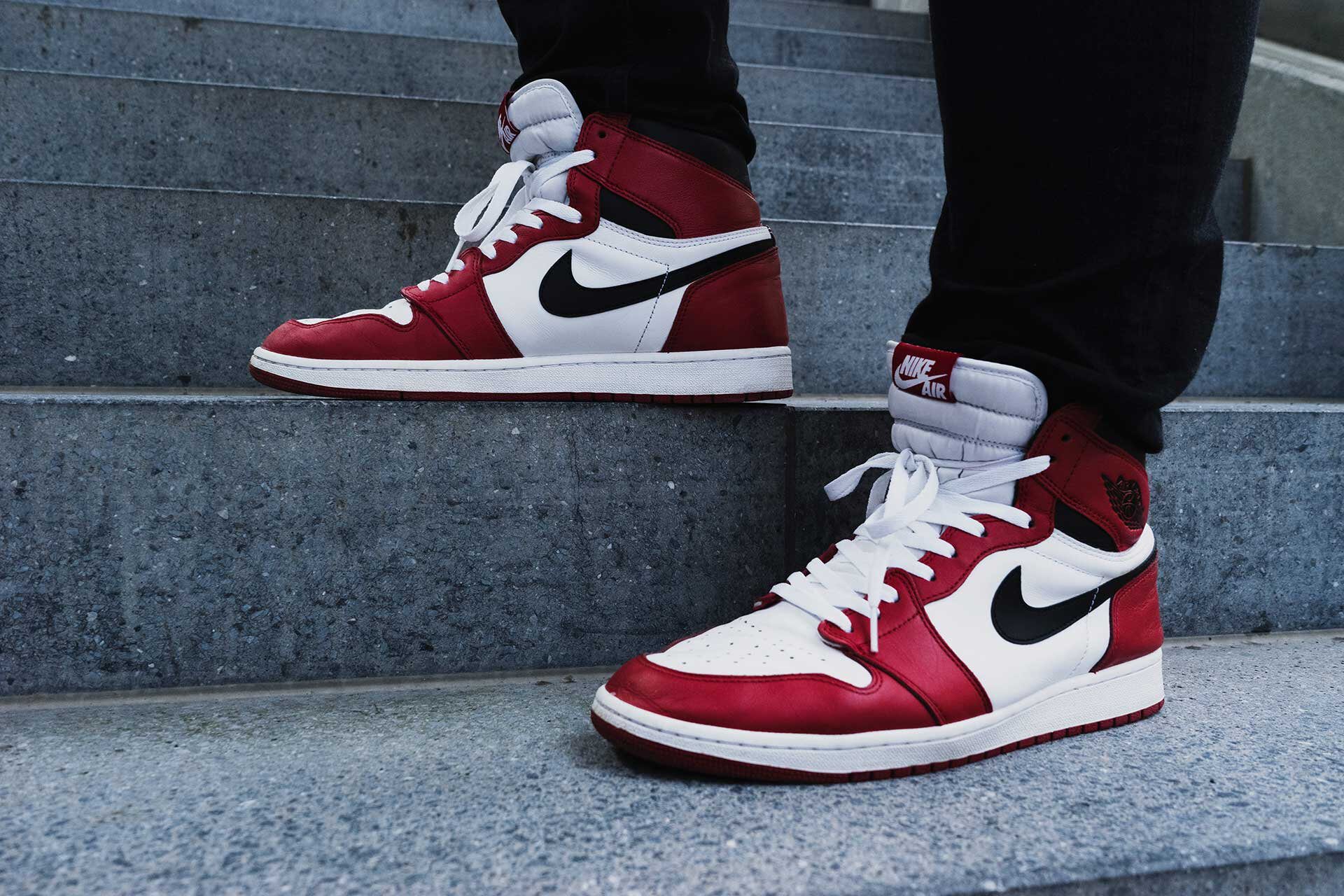
Why is nostalgia marketing so powerful?
Nostalgia marketing has become particularly prevalent of late, suggesting that it’s a powerful marketing tool. Claire Baldwin looks at what makes it so successful.
Nostalgia is a great sales strategy in just about any industry.
Fairy Liquid brought back their original green-and-white bottles in 2010 to celebrate their 50th anniversary; in 2017, Nokia released a new version of the 3310, a cultural touchstone that defined a generation; and the Star Wars franchise continues to build on childhood nostalgia to sell everything from fruit to waffle makers.
However, one area that we often see a return to retro packaging designs is that of snacks and confectionery.
Sweet memories
Starburst has just launched a limited edition using their former name of Opal Fruits with Mike Foster and his team at Straight Forward Design.
To do this, they returned to the original packaging design—or, at least, they tried too. Unfortunately, nobody thought to save the original artwork before the Starburst rebrand, and it became lost.
This gave the design team a fascinating challenge, in which they essentially had to recreate the packaging from memory. This demonstrated exactly how memorable certain brands can be, and which elements of their design resonate most with people.
Starburst is just the latest product to harness the power of snack nostalgia to boost sales. In 2008, Monster Munch made a return to their original packaging and larger size of claw-shaped corn snacks; Snickers temporarily returned to their former name of Marathon at the end of 2019, 30 years after the original rebrand; and Cadbury is set to bring back Old Jamaica chocolate bars after 10 years off the shelves.
Why do people love nostalgia?
Nostalgia is an inherently pleasant experience. When we talk of nostalgia, it’s about the good old times. Anything that brings that feeling of warmth and security and happiness back to you naturally recreates that same feeling, and that’s what brands are looking for.
As adults, we often find ourselves overwhelmed by the stress and mundanities of our everyday lives. We might think back to simpler times when these things didn’t matter, the world was a smaller place at a slower pace. Many of us are guilty of saying that things were better “back in my day” and brands are intrinsic to this.


Brands in the background
You may be surprised by how prevalent brands are in important moments in our life. The TV shows we watched, the food we ate, the clothes we wore, the music we listened to; these are all baked into the background of our experiences.
The ability of brands to connect with their customers on a personal level is important, and our nostalgia demonstrates those that were successful in doing so. Getting hold of something that brings back memories of happier days can be exciting, especially when the retro version is a limited edition.
This makes former customers of certain products reach into their wallets for that warm and fuzzy feeling. The fleeting experience of revisiting days gone by might therefore create loyal customers out of people who have forgotten or become disenchanted by the brand.

Fauxstalgia
Along with returning to vintage brands and products, a new phenomenon of ‘fauxstalgia’ has emerged. This is when new designs are created with a retro feel to tap into feelings of nostalgia, or to create a nostalgic feeling for a particular cultural movement that a person didn’t actually experience.
While people may not have any meaningful connection with the brand, harnessing particular colours, fonts, design elements, sounds and materials can help to develop a pseudo-nostalgia and a sense of familiarity. It also creates the impression that a company or product embodies the warm, friendly and reliable feelings associated with nostalgia.
Creative solutions for brands both old and new
DWH are experts in developing brand identities for businesses of all types and sizes.
Whether you’re an existing brand looking to reposition yourself within the market, or a new company looking to establish a particular look and feel, have a chat with us and we’ll help you to develop your ideas into something that resonates with your market.
What do the 20's hold for the creative industry
Now we’ve entered a new decade, what’s next for the creative industry? The teens saw almost endless innovation and exciting developments, but there’s plenty still to come. Claire Baldwin takes a look at what we can expect from the creative industry in 2020 and beyond.
It’s the dawn of a new decade, which means saying goodbye to the old and hello to the new.
Let’s look at the upcoming design trends of the ’20s and what they could mean for the industry as a whole.
Equality and diversity
Companies have already been making more of an effort towards realistic representation of age, gender, race and other identifying characteristics, but there is still more work to be done here.
In particular, gender neutrality will be a main area of focus in terms of visual design and product design. The idea of ‘masculine’ or ‘feminine’ design is being faded out, and companies are moving away from creating separate product designs or colours for males and females. We’ll see more gender-neutral and non-binary character design, and more emphasis on who people are instead of what they are.
Simplicity in illustration and animation
While 3D technology is the best it’s ever been, and more and more companies are harnessing the power of virtual reality, 2D design seems to be making a resurgence.
We’ve seen this already with the 2020 Oscar Animated Feature Film nominations, with 3D giants The Lion King and Frozen 2 nowhere to be seen. Instead, traditionally animated films Klaus and I Lost My Body have hit the shortlist and, while other 3D films have been nominated, this shows a shift towards renewed appreciation for 2D design.
Simple line art, minimalist drawings and geometric designs put the emphasis on the message rather than the art. This simplifies communication between company and consumer, and makes advertising easier to digest in a fast-paced digital world where brands are vying for attention.

Sustainability
Sustainability is a hugely important movement, and a great way to increase brand image and loyalty. It’s not just manufacturing that can benefit from a sustainable approach, either. By considering every step of your company’s processes, you can minimise your negative impact on the environment, such as using green hosting, renewable energy, and recycled materials.
One great example of sustainability in design is the Tokyo 2020 Olympic medals, which have been made from discarded electronics. This is an inspiring combination of tradition and modern ethical design, presenting a caring, approachable image that resonates with an audience.
Focus on typography
Font-heavy designs are on the rise, with obnoxiously large text taking centre stage in designs for everything from websites to magazines.
Bold, interesting and unusual typography has started to find its place in a digital world, creating easily legible messages on tiny mobile devices. This allows brands to make clear, bold statements and to state their message rather than relying on product shots or ambiguous imagery.
Variable fonts are also set to make an impact in 2020, with designers able to specify different weights and versions of the same font, creating a unified brand identity while allowing for flexibility within the design.

Targeting Gen Alpha
While millennials and Gen Z have been at the forefront of marketing campaigns in the last decade, it’s time to focus on Gen Alpha. Those born during the 2010s will start to become important targets for marketing, due to their influence within the family and their growing spending power.
Still at a young and inquisitive age, Gen Alpha kids are ready to be impressed—but don’t think you can fool them with flashy brands and big talk. This generation is tech savvy, computer literate and well educated about environmental issues. They’ll respond well to genuine compassion and concern about the world we live in, and being treated like individuals instead of sales statistics.
Your 2020 digital creative team
If you’re looking to jump into the ’20s with a strong brand identity and innovative marketing strategy, get in touch with DWH and we’ll help you to make your mark.
The 5 types of Christmas adverts and what makes them successful
It’s almost Christmas and that means the Christmas adverts have been playing on our screens for some time now. If you’re the sort of person who can’t wait to see the latest festive offerings from the high street’s biggest names, you’ll know that there are a few different formulas that they tend to follow. Claire Baldwin takes a look at the different categories of Christmas advert, and what makes them effective.
#1: The Tearjerker
Christmastime can bring about all sorts of strong emotions, and many brands choose to tug at the heartstrings to elicit an emotional reaction. If you’ve never cried at a Christmas advert, you might be made of stronger stuff than me!
While it seems strange to actively try to make your audience cry at your advert, it actually makes us feel good inside, and helps those big corporate brands to feel just a little more human, allowing the public to create a stronger emotional bond.
My pick for this year’s tearjerker is Apple. The three-minute ad starts with two sisters who seem more interested in their iPad than their family this Christmas, despite their obviously grieving grandfather. However, the advert takes a heartwarmingly bittersweet turn when the girls use their beloved iPad to create an emotional family scrapbook featuring their departed grandmother.
Apple gives those tears a helping hand with an almost Pavlovian response created by the music from the opening scenes of the Pixar movie ‘Up!’, which is just about the biggest tearjerker there is. Frankly, that feels a little bit like cheating!
#2: The Character
A cute character is practically a must in a Christmas advert. We bond with them, they make us smile, and our kids want the cuddly toys. Focusing your Christmas campaign around a memorable character is a great way to increase brand engagement, and offers huge possibilities for merchandise, social media, festive events and even apps.
2019 has been all about Aldi’s returning character, Kevin the Carrot. It might seem crazy that an anthropomorphised vegetable has stolen the spotlight, but that’s the power of cuteness. This year, Kevin has been joined by Russell Sprout and his gang of Leafy Blinders, in a nod to the hit TV show ‘Peaky Blinders’.
Furious that the carrots are set to steal the show at the Christmas dinner table, the gang of sprouts tries to teach him a lesson. Fortunately for Kevin, Tiny Tom, the tomato, rescues him, and his family of carrots is able to put on a show-stopping circus performance, accompanied by a Christmas-dinner-themed version of Robbie Williams’ ‘Let Me Entertain You’.
The whole thing is preposterous yet charming, but if the huge demand for Aldi’s cuddly crudités is anything to go by, it’s been a roaring success.
#3: The Comforter
It just wouldn’t be Christmas without that warm and fuzzy feeling. Whatever your personal feelings about the online giant, it’s hard to deny that Amazon’s 2019 Christmas advert is full of joy and warmth.
Accompanied by various homespun renditions of Solomon Burke’s ‘Everybody Needs Somebody to Love’ that bring a smile to your face, the advert focuses on an Amazon delivery driver and the impact their parcels have at this most wonderful time of the year. Amazon’s recognisable smiley arrow logos turn into animated mouths as the parcels sing along with the catchy music, and it’s all smiles all round.
Another reason that this advert is so feelgood is due to the inclusivity of its ‘Love Actually’-style snapshots of family life during the Christmas season. From a female delivery driver and an elderly African-American couple to a racially inclusive school play and a same-sex airport reunion, Amazon has clearly made a conscious effort to bring a little Christmas joy to as many demographics as possible.
#4: The Song
A great song can really make a Christmas advert, and there have been countless examples of this over the years, with John Lewis’ annual quaint covers of well-loved songs.
A musical success story this year has been Walkers’ festive ad, featuring Mariah Carey and her classic Christmas hit ‘All I Want for Christmas is You’. The advert is a pretty standard Walkers concept: the crisps are too good to share. This defiance of the spirit of giving comes even after Mariah has lavished her music video crew with gifts, because Walkers’ festive pigs in blanket flavour is just that irresistible.
The icing on the cake (or the holly on the Christmas pudding?) is that Mariah’s baubly belter has just hit the #1 spot on the US Billboard chart for the first time ever, 25 years after its release. This is testament to the enduring popularity of the track, and cements it as a great choice for a Christmas advert.
#5: The Complete Package
If there’s one company with a highly anticipated Christmas advert release, it’s John Lewis. With a string of wildly popular festive offerings under their belt, the reason that John Lewis’ Christmas adverts are so successful is because they tend to include all the key elements that we’ve looked at above, and this year’s ad is no different.
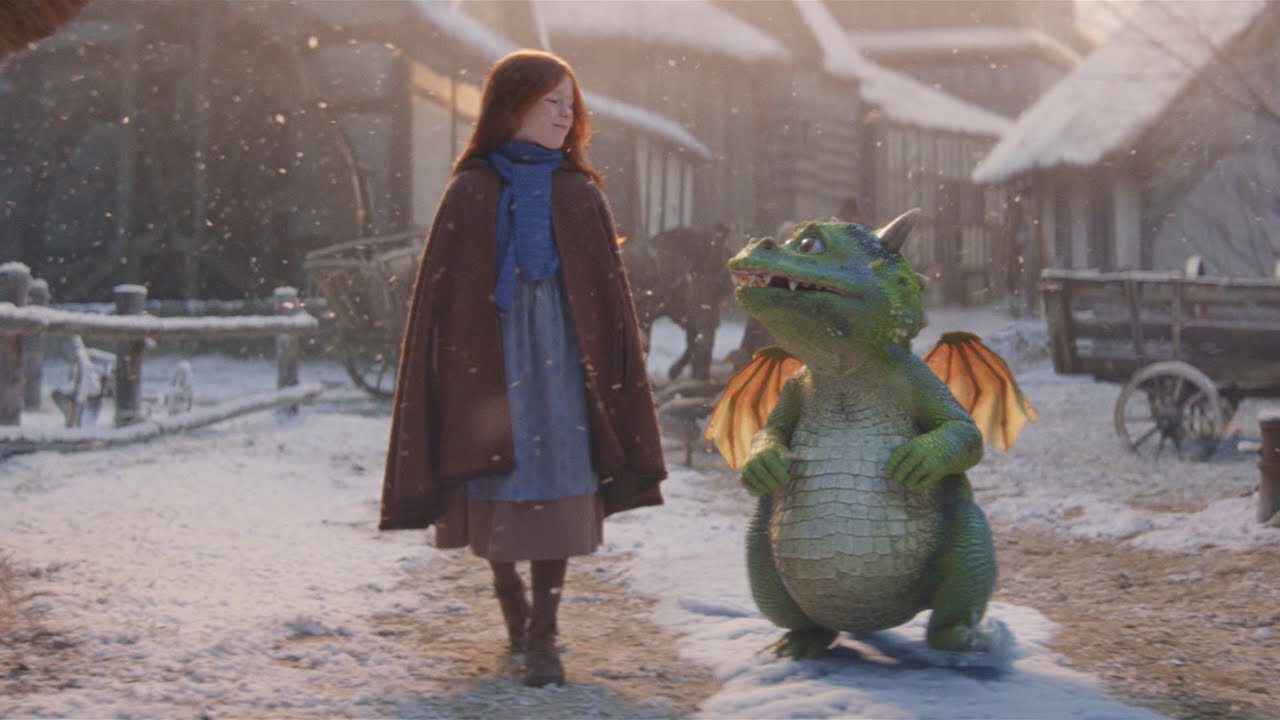
It focuses on a cute character, Excitable Edgar, a young dragon who is so excited about Christmas that he can’t control his fire. It makes use of another great song, with Bastille’s cover of REO Speedwagon’s classic ‘Can’t Fight This Feeling’ making us feel warm and fuzzy inside.
The advert’s story takes you on an emotional ride, as you feel both sad and sorry for Edgar, then excited and happy for him by the end when his fiery breath is put to good use. Depending on how vulnerable you’re feeling when you watch it, Edgar’s flames may even warm your heart enough to bring a tear to your eye.
Can a new logo salvage your brand?
New branding is often accompanied by a new direction for the company, whether that’s turning over a new leaf or simply adopting a more modern and inclusive approach. With Facebook having just released a new brand amidst ongoing controversy, Claire Baldwin takes a look at how a new logo fits into an attempt to salvage your company reputation.
Sans serif, sans effort
Facebook has just revealed their new generic logo, which has been devised to separate the company from its other properties, including Facebook, WhatsApp and Instagram.
In keeping with recent logo redesign trends, Facebook has opted for a sans-serif all-caps wordmark. It will be displayed in different colours when used in conjunction with the company’s various apps: blue for Facebook, pink for Instagram, and green for WhatsApp.
That’s about as far as the rebrand goes. Facebook claims that the new logo has been “designed for clarity”, which is a little ironic when you consider that the social media platform has been under fire for its failure to tackle the ‘fake news’ epidemic, as well as concerns about the privacy of users’ data. Facebook is currently under investigation by the Federal Trade Commission over its business practices, which isn’t a great look for any company.
The new logo is hardly innovative. It doesn’t say anything new and it doesn’t elicit excitement. There is nothing about the new brand that draws attention away from the whispers about Facebook’s unscrupulous and shady business practices.

The writing on the wall
The real issue with this attempted brand salvage is that it’s pretty superficial. Creating a slightly different logo to differentiate the parent company from the app does nothing to tackle the bigger issues facing the company right now.
Facebook really needs to rebuild users’ confidence in the brand, and new wordmark just isn’t going to change anything. Restructuring the company, changing the business model, creating greater transparency for users, or even rebranding to the point of naming Facebook, Inc. something completely new would all be more effective trust-building tactics.
It’s also hard to have much confidence in Facebook when the multi-billion-dollar company released a mock-up of their new design for Instagram with a stupid and unforgivable typo. The fact that Facebook seems to have done the bare minimum in an attempt to repair the relationship with their customers makes the whole thing feel very low-effort and, to be honest, a little insulting.

Uber
Last year, ride-hail app Uber overhauled both its branding and its practices to rebuild faith in the company due to continued backlash from staff and the public for its unscrupulous business practices.
The issues ranged from sexism and sexual harassment at its corporate headquarters to the unfair pay and poor treatment of drivers, not to mention the uproar that the app caused local taxi firms worldwide. Many people swore off Uber completely and defected to rival company Lyft instead.
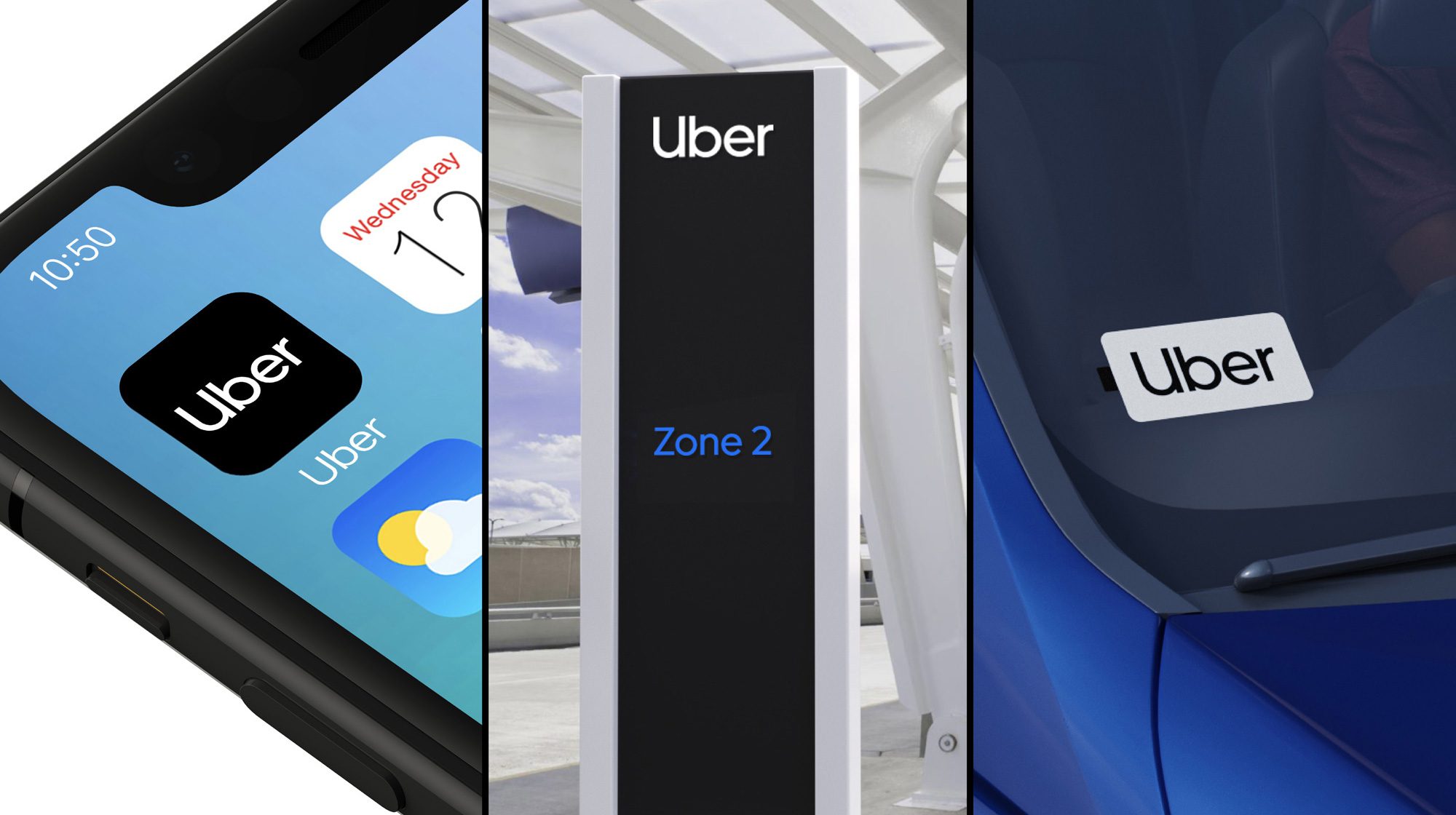
In efforts to move past the various scandals and rebuild a loyal customer base, Uber rebranded, just two years after revealing their latest logo (and they wouldn’t be the first company to try this tactic). They replaced the stark, all-caps wordmark with a sleek, rounded and more friendly-looking version, with much tighter kerning that made the whole thing look more put together. It wasn’t a drastic redesign, but it was a good move for several reasons.
Firstly, the new logo looked less intimidating and more professional, making it look much more appealing. Secondly, the logo is wildly different to that of competitor Lyft, whose bubblegum pink logo looks fun and squishy and silly. This makes Uber stand out as the serious and professional company at first glance, though it may also imply a certain coldness that one might not expect from the Lyft logo.


New logo, new attitude
However, along with the new design, Uber also overhauled the company and its practices.
Travis Kalanick, the company’s founder and CEO, was ousted and replaced by Dara Khosrowshahi, former CEO of Expedia Group.
The company hired former Coca-Cola executive Rebecca Messina as their first ever chief marketing officer in order to get the company’s reputation back on track.
New safety procedures were introduced, including Ride Check, a feature that uses the accelerometer and GPS of the drivers’ phone to detect issues such as crashes or unusually long delays, and safer two-factor authentication for riders’ accounts.
While the new logo hinted towards the company’s new direction, they actually backed up this new image with actions and change for the better. Although things aren’t perfect, Uber have visibly been making the effort to right their wrongs while also moving away from the visual identity of their former selves.
Build a reputation
We talk to our client all the time about brand building. It’s not just a case of “here’s a new logo” and leaving it at that. Building a brand is all about building your company’s reputation and constantly maintaining this. We help our clients do this in a number of ways. Whether that is through social media management, content generation or SEO audits, we make sure your online presence reflects your brand positioning and maintains your brands integrity. This is as important in building trust as conducting a brand refresh, building a new website and producing marketing collateral.
If you’re looking to give your brand a refresh or if you need help to build your business reputation online, get in touch with DWH today.
Creative ways to get work in the creative industry
Job hunting can be difficult at the best of times, and if you’ve got your heart set on working in the creative industry, landing that dream role can seem almost impossible. Claire Baldwin looks at some creative ways to get work in the creative industry and beyond.
When looking for a role in the creative sector, it’s likely that the words “creative” and “creativity” feature fairly prominently on your CV. The difficulty here is actually showing this creativity to make employers desperate to hire you.
Here are some creative ways to express your creativity and land that job in the creative industry (Have I said “creative” enough yet?!).
Fringe benefits
In August, Edinburgh-based graphic designer Laura Whitehouse turned the Fringe Festival’s endless flyering to her advantage by creating her own flyers advertising her services. In her blog post about the project, Laura discussed using the Fringe as an opportunity to find more of the work that she loves: designing posters and flyers for performers.
The flyers were about as matter-of-fact as adverts can get, featuring a handful of her previous design work on one side and a simple, memorable and hilarious message on the other. Instead of tiptoeing around the subject of a business transaction, Laura waded right in: “You need a poster, I need money. Seriously, I’ve been trying to but the same armchair from Ikea for months.”
By swapping flyers with performers, she was able to get her name in front of the very people she was hoping to work with, and adding a clever nod to the Edinburgh Fringe Festival community.
employadam.com
You might not know the name Adam Pacitti, but you might have seen his face on a billboard, especially after it went viral in 2013.
Aged 24 at the time, Adam used his last £500 to pay for a billboard in Shoreditch asking for a job. The billboard directed people to the website employadam.com, where you could (and still can) watch Adam’s video CV detailing the humourous and self-deprecating experience that makes him a perfect candidate for roles in the media industry.
It was a long shot, especially during the recession, but it paid off, as Adam received over 100 job offers and found himself as a viral video producer for award-winning production company KEO. He then used his first wage packet to pay for a second billboard, thanking the Great British public for their help.
The Google Job Experiment
In 2010, Alec Brownstein set up a series of Google Ads so that when top NYC creative directors in advertising Googled themselves, they would see a message from Alec asking them for a job.
In the search results, they would see an advert for alexbrownstein.com that addressed them by name along with the message: “Googling yourself is a lot of fun. Hiring me is fun, too.”
Alec set up adverts for five top creative directors, landed interviews with four of them, and received job offers from two. This creative use of industry-relevant knowledge and experience led to a job at global marketing and communications company Y&R in New York.
In total, The Google Job Experiment cost Alec the princely sum of … $6. Not a bad investment.

How to promote yourself creatively
What these examples show us is that great creative promotion works best if you are able to leverage something key to the industry: Advertising flyer design for performers by handing flyers to performers; creating a viral campaign to get a job creating viral campaigns; or investing in adverts to land a role in advertising.
This allows you to directly acknowledge the skills that make you suitable for a role and demonstrate them through tangible, real-life examples.
If you’re not sure how to promote yourself, get in touch with us and we’ll work on your creative campaign together.
Volkswagen's rebrand: The new VW or just PR?
German car manufacturer Volkswagen has updated their iconic logo as part of the launch of their all-electric cars. Is this a simple rebrand or is it another step on VW’s path to redeeming their somewhat shaky reputation? Claire Baldwin takes a look.
We don’t need to introduce Volkswagen to you. The car manufacturer is a household name that has been around for over 80 years. Their iconic VW logo is almost a cultural icon in its own right, but it’s recently undergone a transformation as part of the company’s launch of their new all-electric cars.

Behind VW’s iconic logo
VW’s rebrand is focused on the simplification and modernisation of their iconic logo. This classic symbol has been with the company since its beginnings in 1937, though its first design definitely feels a little swastika-y.
It’s here that we come to the first of VW’s various PR nightmares: its origins as the ‘people’s car’ (which is what ‘Volkswagen’ translates to) under the Nazi regime. While initially created as a positive company promoting, ‘strength through joy’, (Kraft durch Freude) it’s hard to separate the events of the Second World War from the origins of the company.
The initial logo was scrapped before the war due to its resemblance to a pedestal fan, and it was replaced with a simpler version featuring the letters V and W within a cog. Further versions of the logo stayed very loyal to the heart of the design, and it was mostly a simple logo until the addition of chrome and shadows in the late 1990s that started to detract from the pleasing simplicity of the design.

Fuelling the flames
Volkswagen is now one of the world’s most successful car manufacturers, employing almost 200,000 people and producing vehicles for customers in over 150 countries.
However, this successful history hasn’t been devoid of the odd moment of disgrace, most notably the emissions scandal of 2015.
Often referred to as Dieselgate or Emmissionsgate, the scandal broke when VW was found to have been cheating diesel emissions tests for years, making the cars appear to be more environmentally friendly than they were. Consumers and other manufacturers were understandably put out by this, and Volkswagen’s stocks plummeted, with the company losing almost a quarter of its market value practically overnight.
Simplifying a complicated past
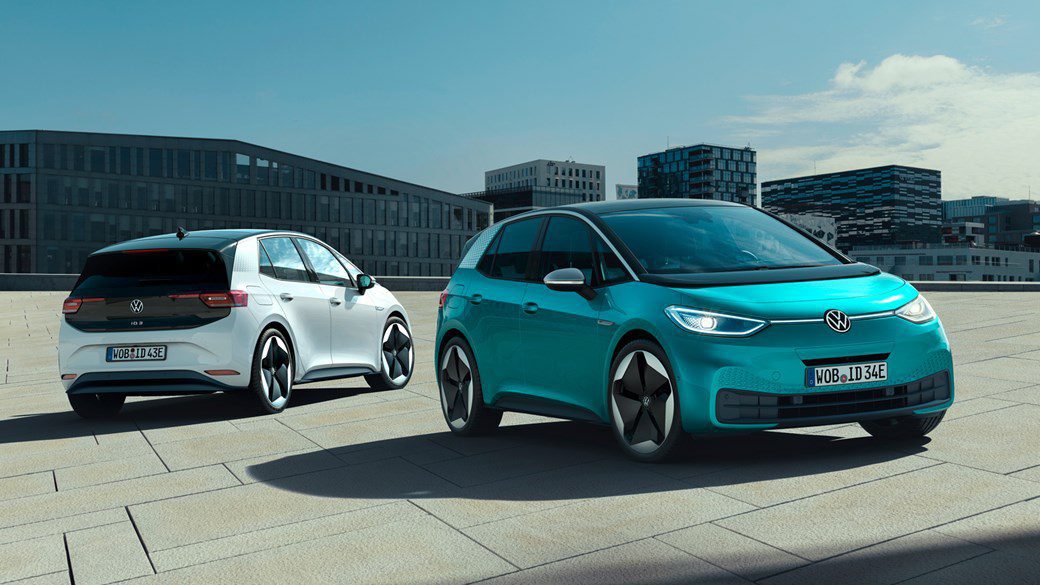
VW’s recent rebrand comes as part of the release of their new range of all-electric cars, with the world premiere of the ID.3 at the beginning of September. It’s carbon neutral and, with the basic model costing less than €30,000, it’s a car for the people with the environment at its heart.

Along with their responsible manufacturing and green energy, VW has unveiled a streamlined logo update. According to their press release, it has been reduced to its “essential elements” making it clear and simple, open, and easy to use.

Call us skeptical, but we can’t help but wonder whether there’s a slight ulterior motive here. While moving to greener and more sustainable practices is something to celebrate, it can’t be denied that VW’s reputation in recent years has been anything but “clear” and “open”.
Is the new logo and a move to electric vehicles a sign of VW changing for good, or are they simply trying to distance themselves from a sketchy past? We’ll have to wait and see.